
Guide to Data Loggers: What is a Data Logger, Types & How it Works?
Data logging means to record events, observations, or measurements systematically. And, the device involved in data logging is known as a data logger. Data loggers come into picture whenever there’s a need to take continuous readings of an instrument. Significantly used in the field of geotechnical instrumentation and monitoring, data loggers are a necessary device.
Here is everything that you would like to know about data loggers — their types, relation with data acquisition system, working principle, specifications, and much more.
What is a Data Logger?
A data logger or a data recorder is an electronic device or a computer program that continuously records data over time in relation to the location either using a built-in instrument or through an externally interfaced one.
The data loggers are primarily based on digital processors and usually look similar to a small portable box/case with batteries, wires, internal memory storage, sensors, and a programmable module.
Figure 1: Inside of a Data Logger
A few of the data loggers interface with a PC to show data through a dedicated software while there are some other that connect directly to a device (LCD, PC, Mobile Phone) and show data as a stand-alone device.
Data Loggers are used in geotechnical monitoring and instrumentation on a large scale because they automatically collect real-time data from the sensors and display it over the mobile device. One can leave the data loggers unattended and can still get the complete data anytime they wish to.
What is Data Acquisition
Data Acquisition is a process of sampling the signals and converting them into readable digital numeric values that can be manipulated by a computer. In simpler forms, a DAS/DAQ/Data Acquisition is the process of converting analogue signals into digital ones for further processing.
Any basic data acquisition system would include:
- Sensors — to convert measured physical parameters into electrical signals
- Signal conditioning circuitry — to convert the sensor signals into a convertible form
- Analogue-to-digital converters — to convert conditioned sensor signals to digital (readable) values
Encardio-Rite has a pair of data loggers — Model ESDL-30, ESCL-10VT — Automatic Data Logger for SDI-12 Interface Sensors
What is Data Acquisition System
A simple device that is used to convert the measured physical parameters into digital signals is known as a data acquisition system. The components of a data acquisition system are as follows:
- Physical System: A physical system captures the physical signal from an instrument and sends it further to the transducer sensor. The signal at this point is an analogue signal.
- Transducer Sensor: The physical signal is then converted to a noisy electrical signal.
- Signal Conditioner: This sensor conditions the electrical signal such that it is convertible into a digital form.
- Analogue-Digital Converter: The analogue-to-digital converter is a device that transforms the analogue electrical signals to the digital signals by the sampling process.
The sampled and converted digital signals are sent to the computer so that they are easily readable.
Encardio-Rite deals with highly reliable and accurate Model EDAS-10 Automatic Data Acquisition System.
What is the Difference between Data Logger and Data Acquisition System?
Now, most of you might be confused between a data logger and a data acquisition system. Well, a data logger is a type of data acquisition system but, a data acquisition system is not necessarily a data logger.
Rate of Sampling
Earlier, data loggers were considered as relatively slower devices in terms of sampling rate while the DAQs were considered to have a sampling rate of up to several GHz. But, as the technology has advanced over time, even the data loggers these days have improved.
Stand-Alone or Interfaced
Data Loggers don’t require an external device or PC network for storage as they have their own volatile flash-based internal memory which can store data of several years. A data logger can also log new data while recycling the older one so that it continues to work indefinitely.
On the other hand, data acquisition systems require a direct connection to a PC using standardises buses. A DAQ/DAS system utilises the interfaced PC, a hard disk memory, or a network storage device to store data.
Power Supply
Data Loggers were built portable so that one can carry them to remote locations and log data. And, it’s not possible to get a power source at every remote location. Hence, the data loggers were made battery-operated so that they can continue to work without any need of external power supply.
Whereas, data acquisition systems require a continuous supply of electricity which is why they are mostly installed in labs or test cells. However, data logger and data acquisition systems are different from each other; both of them would become one in the near future.
Block Diagram of a Data Logger
The block diagram of a basic data logger is as shown in the image below:
Figure 2: Block Diagram of a Data Logger
The data logger is connected to geotechnical instruments like tilt meters. (Read More)
Даталоггеры
Логгеры (регистраторы данных) используются для сбора и записи данных, получаемых с подключенных к ним измерительных устройств.
К регистраторам можно подключить самые разнообразные приборы:
- датчики ударов,
- расхода сжатого воздуха,
- давления,
- температуры,
- точки росы и т. д.
Комплекс из измерительных устройств и регистратора данных может использоваться для получения исчерпывающей информации о работе пневмосистемы или системы ОВК. Мобильные регистраторы могут использоваться для осуществления пневмоаудита. Данные с даталоггера могут быть переданы на компьютер для обработки и подготовки отчетов.
Чтобы купить даталоггеры необходимо оформить заявку на сайте, либо заказать обратный звонок.
Фильтр выбора продукции

Цифровой многофункциональный регистратор данных

Мобильный многофункциональный регистратор данных

Многоканальный цифровой регистратор данных

Мобильный многоканальный регистратор данных

Портативный одноканальный регистратор данных
Даталоггер что это такое?
Даталоггер — это устройство, которое используется для автоматического сбора и хранения данных из различных источников. Он может быть представлен как небольшой портативный компьютер, который способен записывать данные внутри себя, или как модуль, установленный в системе, который собирает и передает данные на удаленный компьютер для их дальнейшей обработки.
Даталоггеры могут использоваться в различных областях, таких как научные исследования, промышленность, сельское хозяйство и т.д. Они могут записывать данные о температуре, влажности, давлении, уровне звука, электрическом напряжении и других параметрах, которые могут быть важны для контроля и анализа.
Одним из преимуществ даталоггеров является возможность автоматического сбора данных в режиме реального времени, что позволяет получать точные и надежные измерения. Кроме того, они могут быть настроены на определенные интервалы времени для записи данных, что упрощает процесс мониторинга и анализа.
Даталоггеры могут быть подключены к компьютеру для загрузки данных или настроек, а также для отображения и анализа данных в специальных программах. Они также могут быть настроены для отправки уведомлений или предупреждений при превышении заданных пороговых значений.
В целом, даталоггеры представляют собой эффективный и удобный способ автоматической записи и обработки данных, что делает их полезным инструментом для контроля и мониторинга в различных областях.
Логгеры данных
Логгеры данных — это незаменимое оборудование для мониторинга и записи различных параметров и переменных в реальном времени. Компания Измеркон предлагает широкий выбор логгеров данных, которые позволяют надежно и точно записывать и анализировать информацию о температуре, влажности, давлении, уровне и других важных параметрах. Наши логгеры данных отличаются высокой надежностью, простотой использования и гибкостью настройки. Они подходят для самых разнообразных отраслей, включая промышленность, науку, сельское хозяйство и многие другие. Посетите наш сайт, чтобы узнать больше о наших логгерах данных и выбрать подходящую модель для ваших потребностей.
Даталоггер (регистратор данных): что это, конструкция, принцип работы и сферы применения
Чашка Петри — лабораторная посуда, которая представляет из себя цилиндрическую емкость, плоскую и невысокую, закрываемую прозрачной крышкой. Изготавливается из стекла или пластика.
Шейкер — лабораторное оборудование для смешивания разных веществ до однородного состояния. Используется во всех исследованиях, которые подразумевают потребность в химических реакциях и процессах, и в смешивании как процедуре для их стимуляции.
Шейкер — лабораторное оборудование для смешивания разных веществ до однородного состояния. Используется во всех исследованиях, которые подразумевают потребность в химических реакциях и процессах, и в смешивании как процедуре для их стимуляции.

Что такое даталоггер?
Даталоггер (дата-логгер) — это регистратор данных, устройство, предназначенное для записи определенной информации. Она может как храниться на внешнем или внутреннем накопителе, так и передаваться дальше, на компьютер или в облачное хранилище данных. Способы записи и хранения варьируются в зависимости от задач и типа даталоггера. Многие располагают возможностью автоматического сбора информации раз в сутки, при этом ведут запись не переставая, что позволяет специалистам вести постоянное, удобное и всестороннее наблюдение за местностью, средой или процессами.
Даталоггеры различаются — от сравнительно универсальных, подходящих для использования практически во всех областях науки и производства, до узкоспециализированных и созданных под другие устройства. По такому принципу работает даталоггер DAqM компании LI-COR. Даталоггер DAqM является «сердцем» наборов метеодатчиков Biomet, которые применяются для мониторинга параметров окружающей среды в составе станций анализа атмосферы LI-COR методом eddy covariance.
18 аналоговых каналов. Конфигурируемые каналы «excitation», каналы для термисторов, каналы для сигнала силы тока. 4 I/O канала. Три выключателя электропитания и один выходной 12В разъём. Интерфейс: SDI-12. Для сохранения регистрируемых данных необходимо подключение даталлоггера к модулю сохранения (кат №. 7900-115)
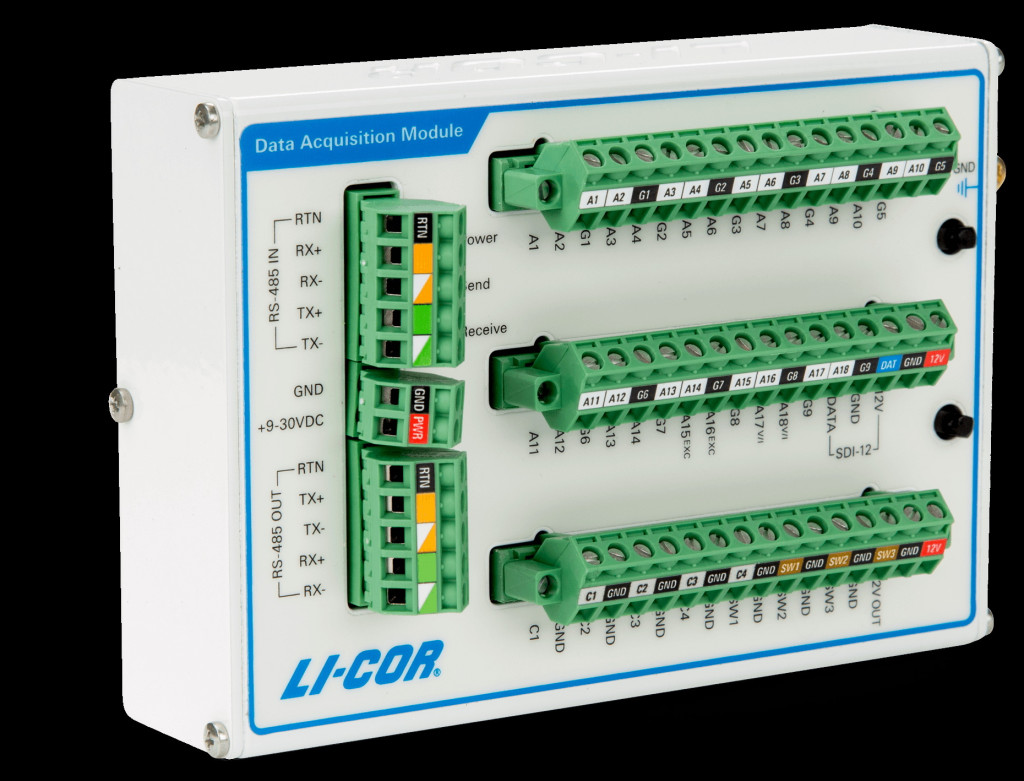
Варьируется и внешний вид дата-логгеров. В последнее время распространены компактные модели на основе цифровых процессоров, оснащенные батарейками и встроенными датчиками, а также внутренней памятью для хранения информации. Некоторые имеют собственный интерфейс в виде экрана и клавиатуры, что позволяет использовать их независимо, как отдельный прибор.
Конструкция и принцип работы
Конструкция даталоггера варьируется в зависимости от модели, но если говорить, например, о регистраторе для исследования среды, то он будет включать в себя следующие узлы:
- контроллер, который нужен для обработки поступающей информации;
- запоминающее устройство, фиксирующее данные онлайн;
- опционально — дисплей, который показывает данные.
Запоминающее устройство также фиксирует и записывает указанные данные, чтобы их можно было изучать в динамике. Информация или хранится на накопителе, или сразу переносится в облако или на ПК.
Соответственно, принцип работы дата-логгера будет таким:
- включение устройства — настраиваемый параметр, например, активация может происходить в определенное время или при изменении замеряемого параметра;
- поступление информации, которую контроллер моментально переводит в понятные категории и выводит на дисплей;
- запись полученной информации в даталоггер.
Остальное зависит от типа прибора. К примеру, данные могут поступать сразу на устройство исследователя, могут записываться и собираться потом. Важная особенность регистратора — возможность наблюдать за средой на протяжении определенного времени, а не фиксировать ее состояние единоразово.
К даталоггерам могут быть подключены самые разные измерительные датчики, например для определения влажности, температуры, освещенности, осадков, тепловых потоков и многие другие.
Сферы использования
Даталоггеры используются во многих областях, научных и производственных. Они незаменимы в деле контролирования штатной работы оборудования, необходимы для мониторинга продуктов и материалов, отличающихся чувствительностью к среде, к перепадам температур. В сельском хозяйстве регистраторы данных устанавливаются в теплицах и на открытом грунте, с их помощью отслеживается влажность почвы.
Безусловно востребован прибор и в медицине, в перевозке продуктов, препаратов и вакцин, в коммунальной и бытовой сферах.
Во всех областях, где требуется отслеживание состояния среды в динамике, применяются дата-логгеры в том или ином виде.
Data Loggers: What is it, Types, Applications & How it Works?
Data logging means to record events, observations, or measurements systematically. And, the device involved in data logging is known as a data logger. Data loggers come into picture whenever there’s a need to take continuous readings of an instrument. Significantly used in the field of geotechnical instrumentation and monitoring, data loggers are a necessary device.
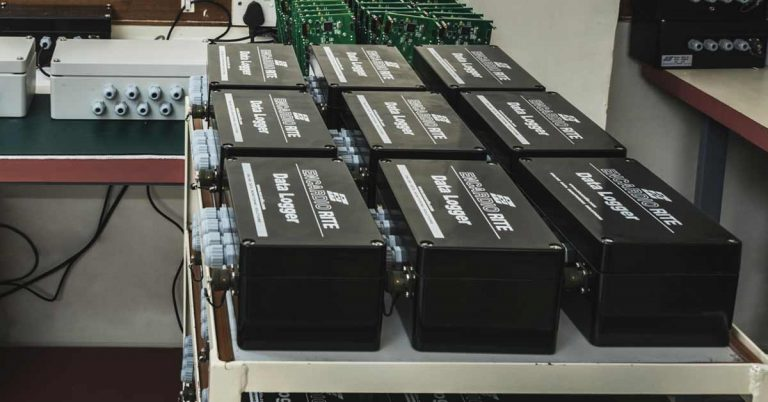
Here is everything that you would like to know about data loggers — their types, relation with data acquisition system, working principle, specifications, and much more.
What is a Data Logger?
A data logger or a data recorder is an electronic device or a computer program that continuously records data over time in relation to the location either using a built-in instrument or through an externally interfaced one.
The data loggers are primarily based on digital processors and usually look similar to a small portable box/case with batteries, wires, internal memory storage, sensors, and a programmable module.
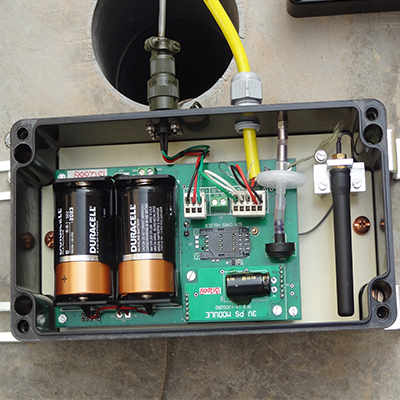
Figure 1: Inside of a Data Logger
A few of the data loggers interface with a PC to show data through a dedicated software while there are some other that connect directly to a device (LCD, PC, Mobile Phone) and show data as a stand-alone device.
Data Loggers are used in geotechnical monitoring and instrumentation on a large scale because they automatically collect real-time data from the sensors and display it over the mobile device. One can leave the data loggers unattended and can still get the complete data anytime they wish to.
How many data loggers do I need?
The need for data loggers depends upon the number of measurement points that you have or the number of sensors that you want to connect to it. Data loggers are available in multiple configurations so that you can choose according to your needs.
For instance, the ESCL-10VT data logger is a single channel data logger whereas the ESDL-30 is a multiple channel data logger with 160 inputs. However, the later one requires an SDI-12 interface to connect with sensors like piezometers, load cells, temperature sensors etc.
How long can data loggers record?
The duration of data logging depends upon two parameters — the power backup of the data logger and its memory capacity. While most of the data loggers have high longevity and durability, they continue to operate for many years. Whereas, a few of them work for a shorter time period only.
The Encardio’s data loggers are battery operated and they can be programmed to record data from 5 to 168 seconds in linear mode. However, the number of readings taken per day should be kept minimum to save the battery. This data logger also gives you several power supply options.
The sample rate multiplied by the number of channels being recorded gives the length of time the logger can operate before the memory is filled. Some of the data loggers are programmed to over-write the data once the memory is filled while some of them stop logging data once the memory is full.
Where are alarms usually sent?
While monitoring structures like tunnels, dams, high-rise buildings, a certain alert level is pre-determined and, as soon as the deformation or fault reaches beyond that particular level, the data loggers send an emergency alert either through an SMS or an email.
There are a few other data loggers that come with in-built LEDs, alarms or buzzers to alert the local persons in case of an emergency.
How do you retrieve the data?
There are two options available for data retrieval and transmission through Encardio’s data loggers:
Telemetry through GSM/GPRS modem
In an area with GSM/GPRS service, the data from the automatic data logger can be transmitted remotely to a PC at a central location. The user will need to arrange a data SIM card for each data logger.
Readout/data retrieval using laptop PC
The logged data from the data logger is directly downloaded to a laptop/PC. Data can also be transferred to the central PC or server from the laptop using either a USB pen drive or through the Internet.
Do you have to learn how to program?
Most of the data loggers these days are configured rather than programmed. Encardio Rite provides a public cloud-based web monitoring service to its customers for retrieving data from ESDL-30 and ESCL-10VT data loggers.
The data retrieved is archived in a SQL database and presented in a graphical or tabular form for easy understanding. The tables and graphs related to any site or sites can be accessed by authorized personnel who can log in to their site using the supplied login ID
Block diagram of a data logger
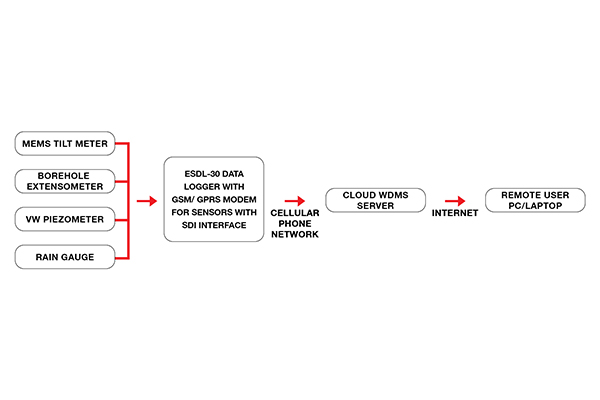
Figure 2: Block Diagram of a Data Logger
These data logging devices are connected to geotechnical instruments like tilt meters, piezometers, extensometers, etc. These instruments send the measured physical parameters to the data logger.
The signals are then processed by them and further transmitted to a cloud web-based data management system so that you can get the data in readable form on your remote devices.
What are the working mechanisms of data loggers?
Data loggers usually appear like a small box enclosing batteries for power supply, microprocessors, internal memory storage, sensors, and a programmable module. Encardio Rite has two models of data loggers i.e. ESCL-10VT and ESDL-30.
The ESCL-10VT is a single channel data logger for vibrating wire sensors which means, it can be directly connected to vibrating wire sensors such as piezometers, strain gauges, extensometers etc. Whereas, ESDL-30 is an automatic data logger that uses SDI-12 interface to connect with the sensors.
Once the sensors are connected to the data loggers, the data through these sensors is logged at regular intervals by the data loggers and stored in its internal non-volatile memory. The users can retrieve this data remotely over their mobile device using Encardio’s cloud service.
While monitoring of the structures, a certain alert level is pre-set. If the data logged is beyond the alert levels, an email or SMS emergency alert is sent to the user so that preventive measures can be taken before any mishap or accident.
What is a data logger and what does it do?
Data Loggers are simply yet significant sensors having a wide range of application in the firld of geotechnical monitoring and instrumentation. They can be used to log all sorts of physical data through various instruments and sensors.
Data loggers are used for the following purposes:
- Comprehensive tunnel monitoring for the long-term safety of the tunnel, to study the behaviour of the tunnel over the time, especially with respect to the rheological behaviour of the rock mass and obvious changes in the fault zones, walled sections, inflow, etc.
Several instruments such as tilt meters, strain gauges, and extensometers, etc. are installed on the inner lining of the tunnels to monitor deformities if any. The data from these sensors is continuously logged by a data logger and stored in its internal memory. - Structural health monitoring of existing buildings to keep track of the building’s performance over time and effect of nearby construction or excavation. Data loggers create an early warning in case of emergency so that the user can take preventive measures.
- Landslide monitoring to avoid mishaps and create early warnings so that loss of life and property can be prevented.
- Groundwater monitoring and rainfall management so that the most important freshwater resource can be saved from depleting and there’s an even distribution of the resource among all.
- Monitoring deformation of land and surrounding areas during deep excavations. Excavation in soft ground induces ground movement which imposes a threat to nearby sensitive structures in the zone of influence. Hence, deep excavation risk assessment and foundation crack monitoring are crucial at all the levels.
- Monitoring of deformities in bridges so that early warning can be generated in case of an emergency
- Unattended dam and nuclear power plant monitoring to avoid fatal accidents. Data loggers log data from different sensors and send it to user’s remote device.
- Unattended weather changing parameters recording through weather stations to aid in agricultural activities.
- Monitoring of relay status in railway signalling
Types of Data Loggers
Encardio Rite deals with a couple of data loggers that are almost similar to each other and a data acquisition system.
Model ESDL-30 Automatic Data Logger for SDI-12 Interface Sensors
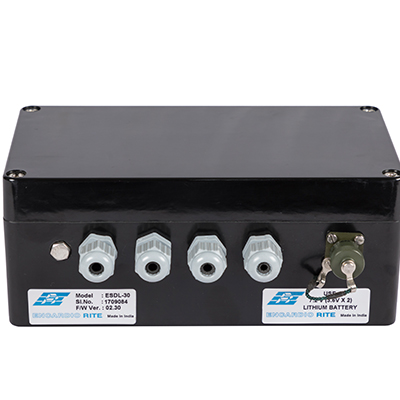
Encardio Rite Model ESDL-30 data logger is designed to log data from sensors with SDI-12 interface. Any sensor with an SDI-12 signal interface can be connected to the data logger e.g. based on vibrating wire, resistance strain gauge or MEMS technology etc.
ESDL-30 can be used to connect a large number of sensors with the SDI-12 interface. The data recorder is fully compatible with all measurement commands signal as per SDI-12 standard.
They can be programmed to take a measurement between a range of 5 seconds to 168 hours in linear mode. The number of measurements taken per day should however be minimum because the higher frequency of measurement drains the battery at a faster rate.
The SDI-12 serial digital interface requires a three conductor cable to connect the sensors to the data logger.
Only a single 3 conductor cable is required to interconnect all the sensors and the data storage devices in a serial bus.
SDI-12 is a multi-drop interface that can communicate with multi-parameter sensors. Multi-parameter means that a single sensor may return more than one measurement, like displacement and temperature from vibrating wire displacement sensors.
All the measured data is stored, together with the current date, time and battery voltage, as a data record in the internal non-volatile memory of the logging device.
How does the Model ESDL-30 Automatic Data Logger work?
Data Retrieval and Transmission
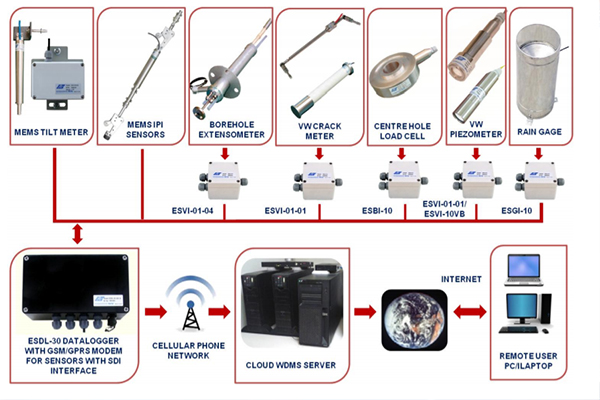
The data retrieval and transmission from Model ESDL-30 can be done in two ways:
- Telemetry through GSM/GPRS modem
In a location covered by any GSM/GPRS service provider, the data from the automatic data logger can be transmitted remotely to a PC at a central location. The user will need to arrange a data SIM card for each data logging instrument.
- Readout/data retrieval using a laptop
The logged data from these devices in the field can be directly downloaded to a laptop/PC. Data can be transferred to the central PC or server from the laptop using either a USB pen drive or through the Internet.
Data Presentation, Archiving, and Worldwide Access
The tables and graphs related to any site can be accessed by authorized personnel.
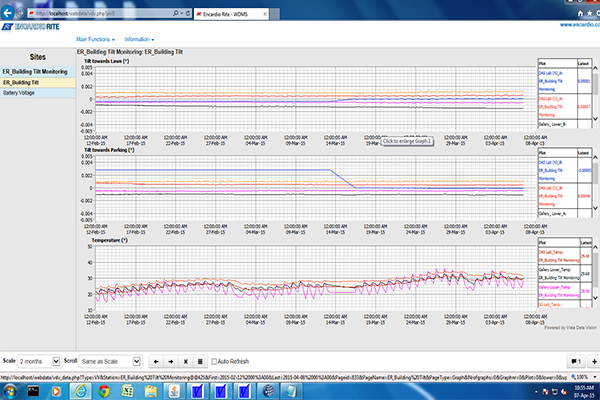
Figure 3: Graphical Representation of the Output from ESDL-30 Data Logger on a PC
The users can have two types of access — any user with lower level access can only view or access the data whereas a higher level user has the authority to set or modify some of the settings.
No special software is needed for accessing the user sites as the information can be viewed using most standard and popular web browsers like Microsoft Internet Explorer, Mozilla Firefox, and Google Chrome etc.
Do check out the video on how to configure ESDL-30 SDI-12 Data Logger with ESDL-30 UNI Application Software.
Specifications of Model ESDL-30 Data Logger
2 x D size 3.6 V/19 Ah Lithium cells, or
2 x D size 1.5 V Alkaline high power cells, or
12V SMF battery chargeable from AC mains or solar panel
Model ESCL-10VT Single Channel Data Logger for Vibrating Wire Sensors
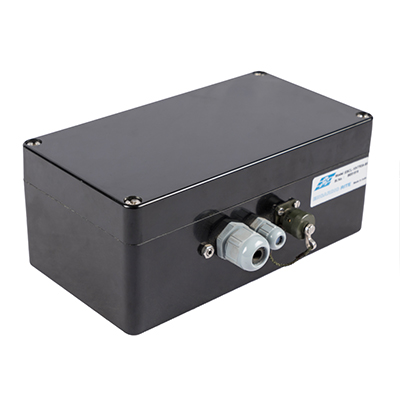
The Model ESCL-10VT is a single channel vibrating wire data logger, designed for monitoring a single vibrating wire sensor (including temperature) such as a piezometer, crack meter or displacement transducer. This data logger uses a Bluetooth modem to interface with the mobile phone. The data logger can be connected through a mobile phone using ESCL-10VT application software. The data logger can additionally monitor barometric pressure and rainfall, using a tipping bucket rain gauge.
The Model ESCL-10VT-BX data logger can be programmed to take a measurement from 5 seconds to 168 hours in linear mode. The data logger comes with a number of power supply options. It has Windows-based application software with features that allow the user to set the sensor calibration coefficients, recording intervals, data logger or borehole code (identification tag numbers), sensor serial number, real-time clock time etc. of the data logger conveniently.
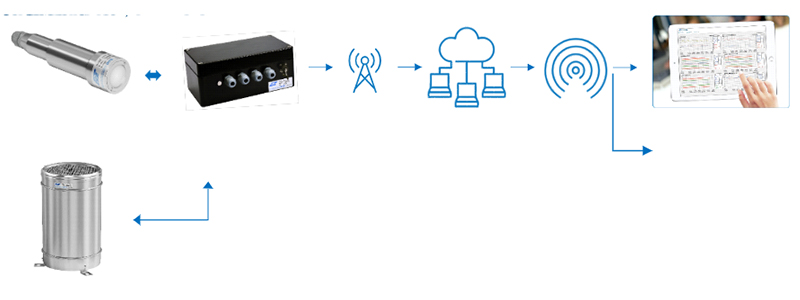
Figure 1: Block Diagram of ESCL-10VT Data Logger
The user can monitor readings and GPRS signal strength for diagnostic purpose. User can also start or stop, scan, or manage data files, download data from the data logger, perform data correction, save and export the data files.
ESCL-10VT-BX is a rugged data logger that can be used in a variety of application to provide accurate and reliable data. It features a wide operating temperature range, dependable stand-alone operation, low power consumption, compatibility with many telecommunication options and flexibility to support a variety of measurement and control applications. It is of durable construction and very suitable for unattended applications.
The data retrieval and transmission process for ESCL-10VT is similar to that of ESDL-30 data logger.
Specifications of Model ESCL-10VT Single Channel Data Logger
Box: Weather-proof enclosure<
Cylindrical: Corrosion resistant stainless steel, AISI grade 316L.
So, that was all about data loggers and data acquisition systems. We hope that we managed to clear some air over both of these. If yes, let us know in the comments below. Also, drop your queries or suggestions so that we can help you out in the best possible way.
Direct To Your Inbox !
Subscribe to our monthly newsletter and get access to the latest industry trends, insights & updates.