
Доступ к сервису временно запрещён
С вашего IP-адреса одновременно поступает очень много запросов.
Такое поведение показалось подозрительным, поэтому мы временно закрыли доступ к сайту.
Возможно, на вашем устройстве есть программы, которые отправляют запросы без вашего ведома.
Что мне делать?
Напишите в службу поддержки через форму обратной связи.
Подробно опишите ситуацию — поможем разобраться, что случилось, и подскажем, как действовать дальше.
Когда Toyota круче Lexus: опыт владения Toyota Soarer
В молодежной спорткаровской тусовке своим стать легко: будь не хуже других – и успех придет. В клуб gran turismo так легко не ворваться, будь ты хоть трижды надежным: массовость здесь не играет тебе на руку. Японцы нашли выход, отделив в начале 90-х «премиум от ширпотреба» и замаскировав некоторые Toyota под новым логотипом. Но делает ли это хуже те из них, что остались под массовым именем? Как выясняется, даже наоборот. И Toyota Soarer полна решимости это доказать.
Снаружи
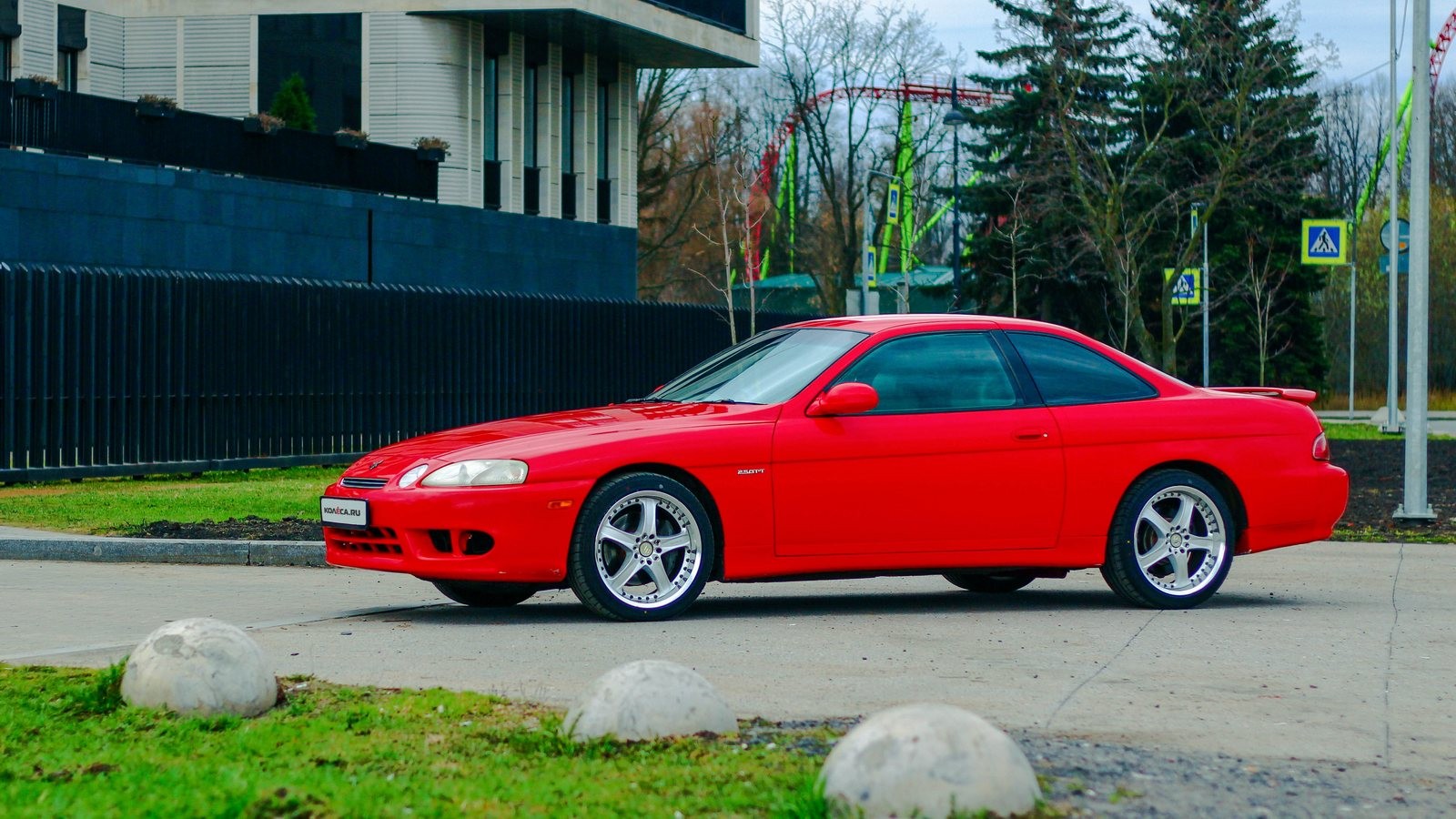
T oyota наладила поставку транспортных средств для обеспеченных индивидуалистов ещё в 1981 году. Десять лет спустя настал черед третьего Soarer: модный округлый дизайн, оригинальная четырехглазая оптика и впечатляющие размеры, лишь слегка уступающие представительскому Celsior. Вытянутый распластанный по земле сигарообразный силуэт слегка напоминает благородные Jaguar, но в целом поиск заимствований обречён на провал.
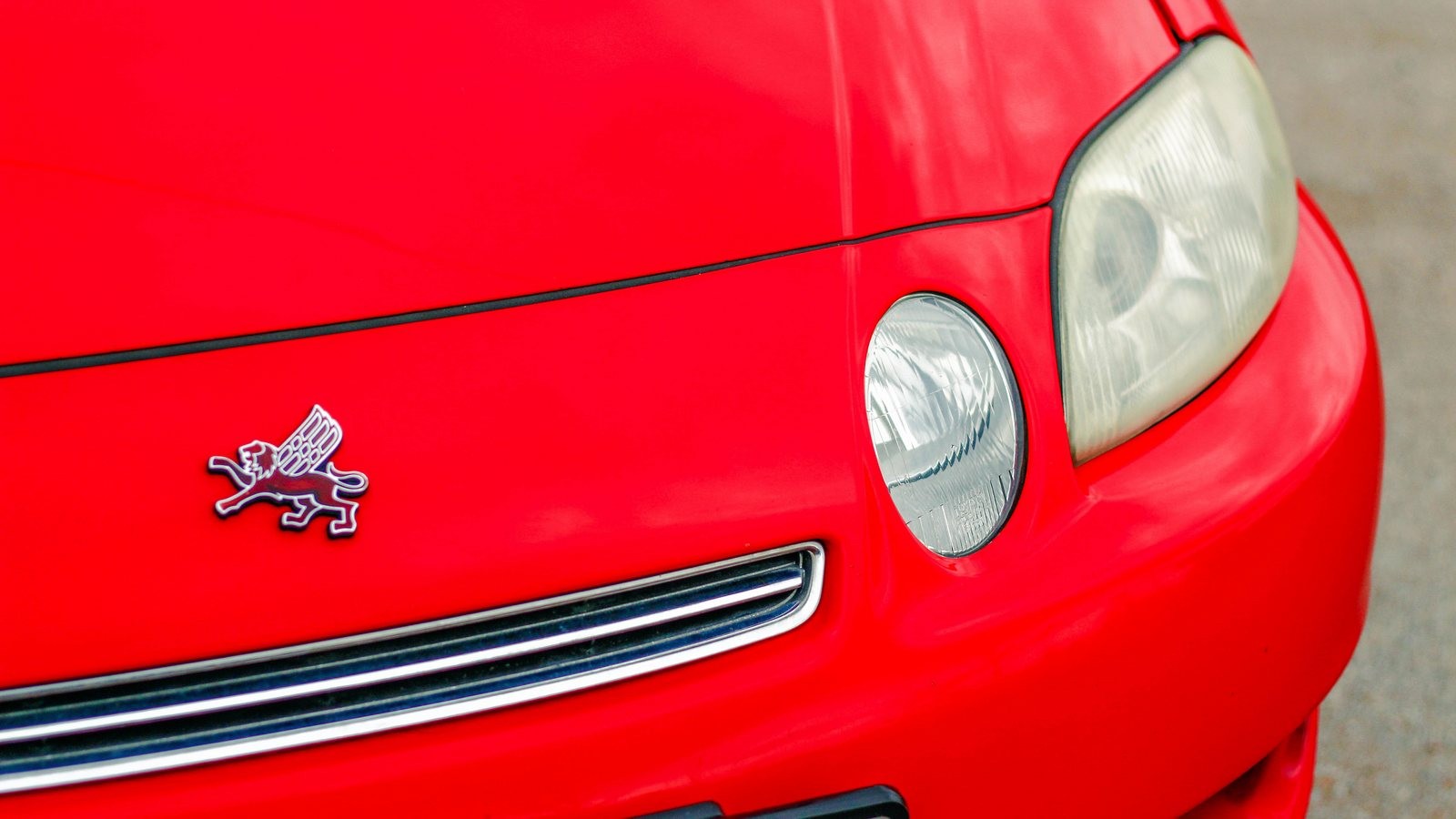
Спецам из калифорнийского отделения Toyota удалось найти оптимальный компромисс между спортивной лёгкостью и буржуазной тяжеловесностью. Получилась Toyota, достойная получить букву «L» на передок. В леворульной версии купе стало третьим патроном в обойме новорождённого Lexus. Лев, победоносно машущий крыльями с собственной эмблемы Soarer (в переводе английского — Парящий), тут уместен как никогда.
Внутри
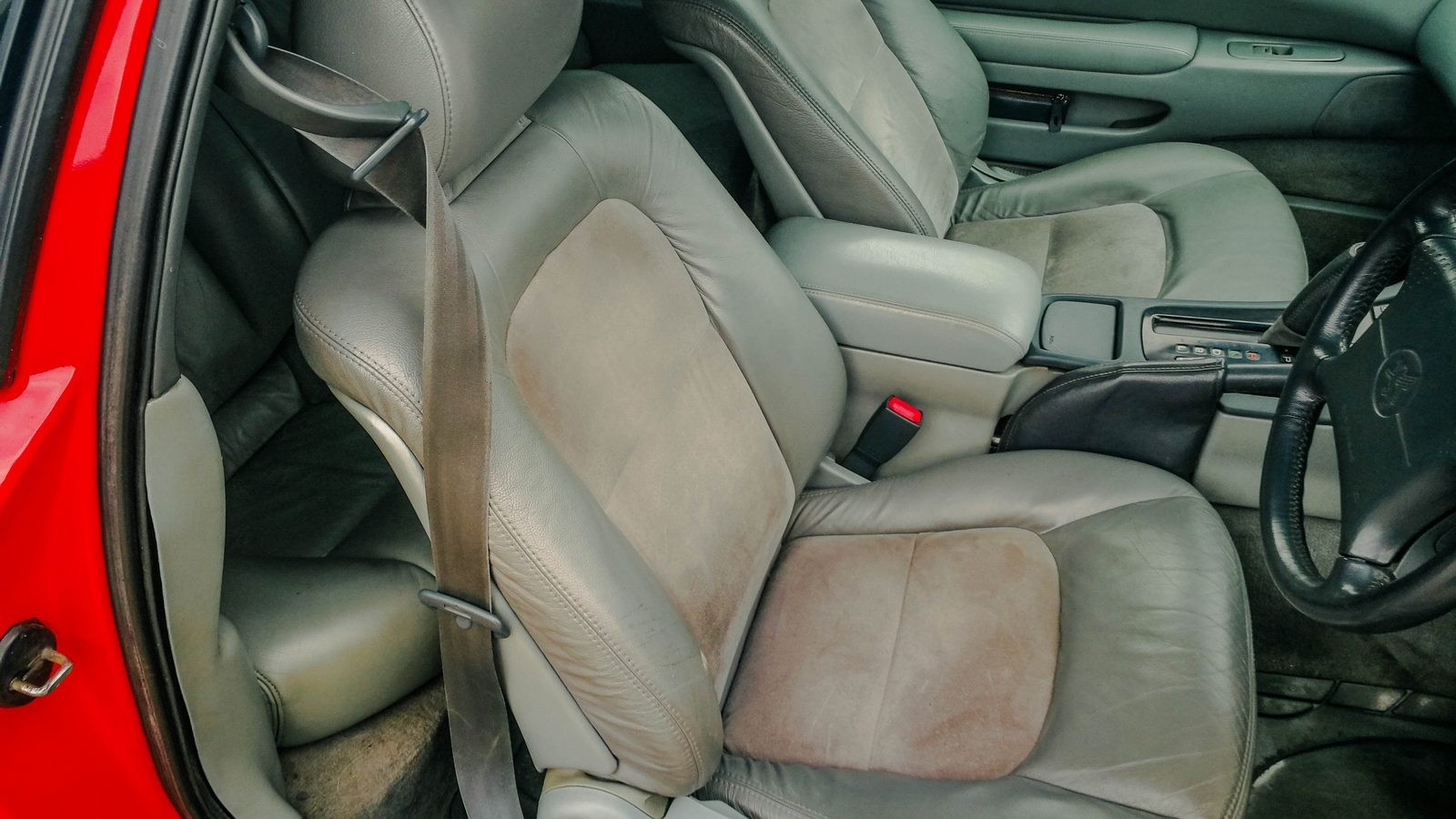
Передняя панель по незамысловатости форм даст фору представительским Тойотам, с которыми купе соперничало в цене. Но отделка – под стать, а внимание к деталям поражает. Двери затянуты в кожу с толстой подложкой, которую палец проминает на добрые полсантиметра. На площади деревянных панелей не экономили – к тому же они покрыты матовым лаком, что выгодно отличает Soarer от чопорных салонов конкурентов.
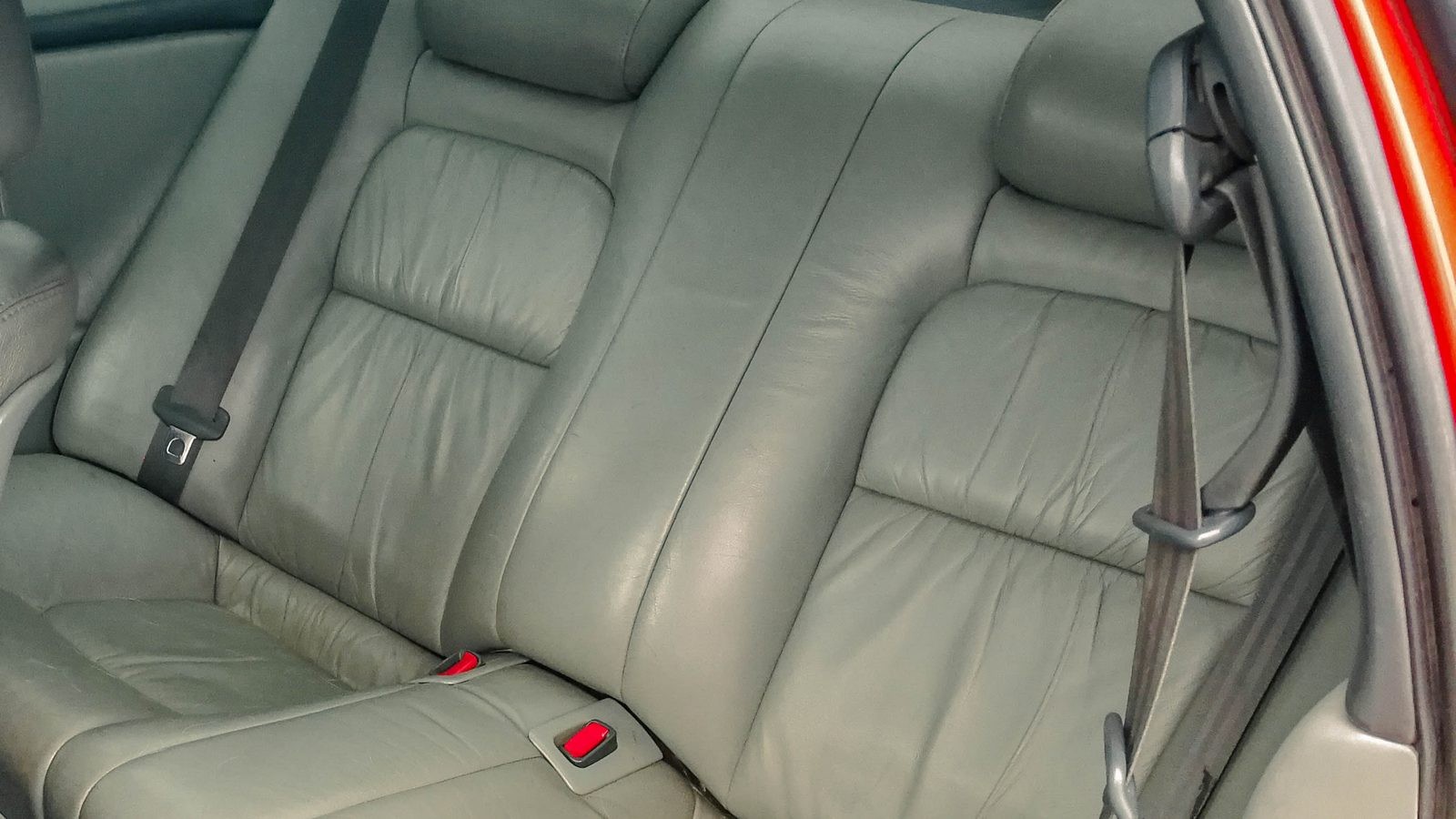
Интерьер мастерски сочетает приправленный роскошью консерватизм с веяньями хай-тека. Из-за руля со львиной эмблемой на меня смотрит полностью цифровая приборка – роскошь, недоступная родственному Lexus. В передних сиденьях уживается американская мягкость и ощутимая боковая поддержка. А вот сзади жить можно, но недолго. Тут Soarer не конкурент personal luxury car вроде Cadillac Eldorado и Lincoln Mark. Комплектация соответствует классу: климат-контроль, электроприводы, премиальная музыка… Крупные кнопки от ширпотребных Тойот и механическая регулировка руля по высоте на общее благостное впечатление не влияют.
В движении
Toyota Soarer отличался от Lexus SC не только расположением руля, шильдиками, бамперами и другим оформлением салона с цифровой приборкой. Как всегда, все самое интересное японцы припасли для себя. Строго говоря, конкретный Soarer только напоминает своего леворульного собрата. Технически это совсем другой автомобиль, ничего подобного Lexus не предлагал в принципе.
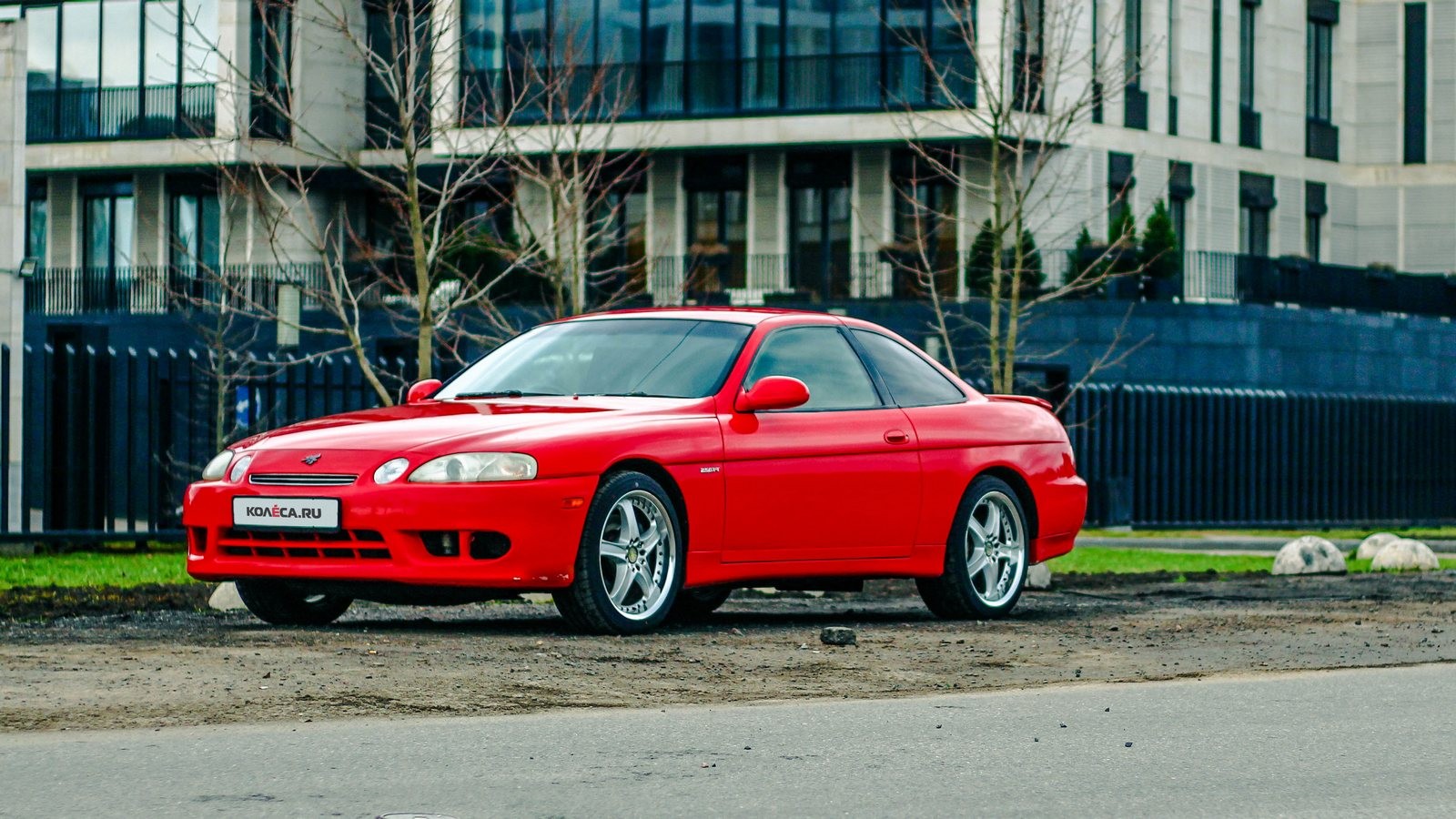
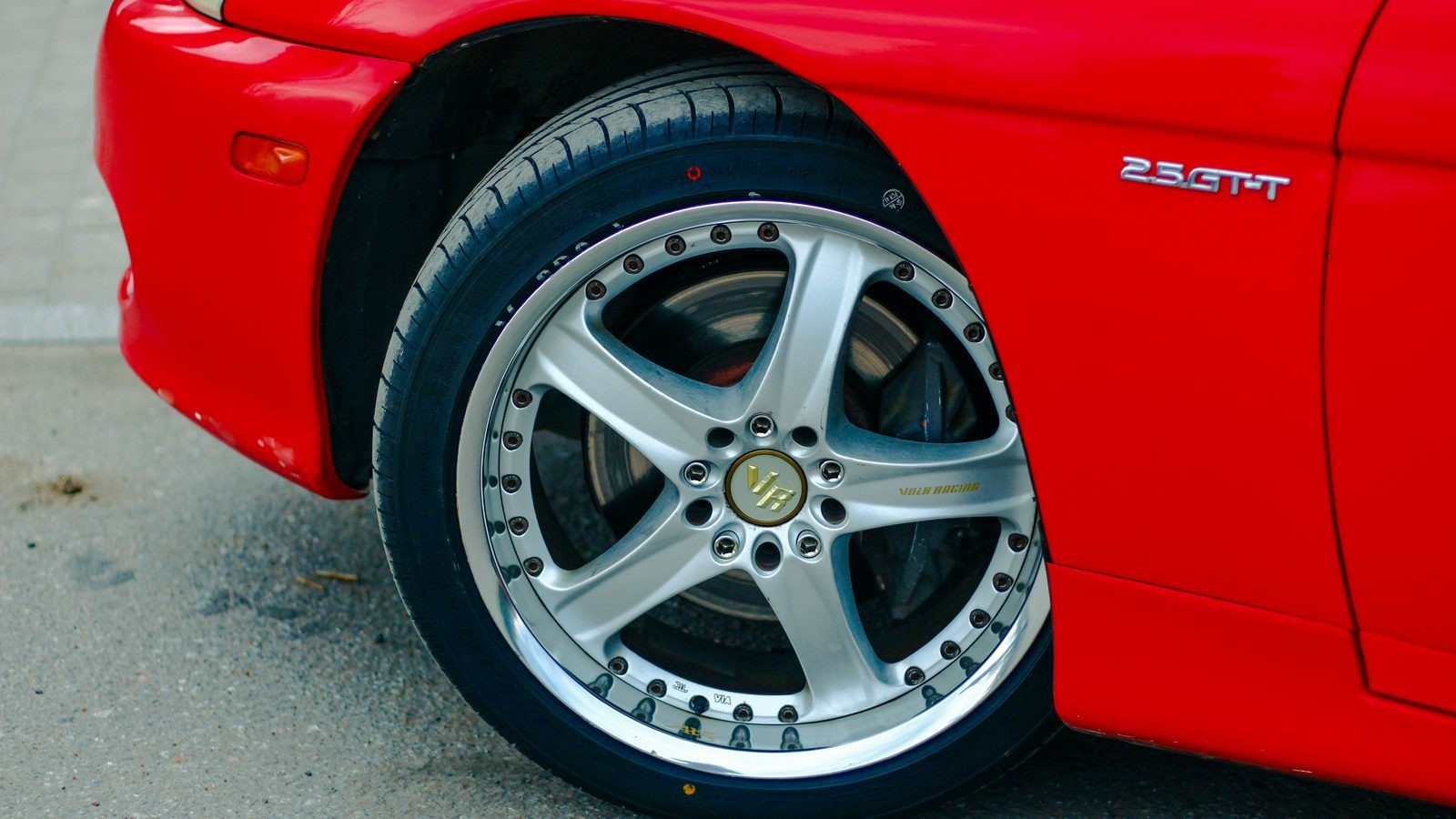
Любители JDM расплывутся в улыбке при упоминании 1JZ-GTE – именно он стал козырем в рукаве «праворульного Lexus». Рядная «шестерка», оснащенная системой изменения фаз газораспределения VVT-i, благодаря турбокомпрессору при объеме 2,5 литра развивает максимальные для японского рынка 280 л.с. Среди поклонников Chaser, Mark II Tourer V, третьей Supra и прочих удостоившихся чести иметь это чудо японского двигателестроения под капотом ходят упорные слухи, что по факту мотор в стоке развивал куда больше.
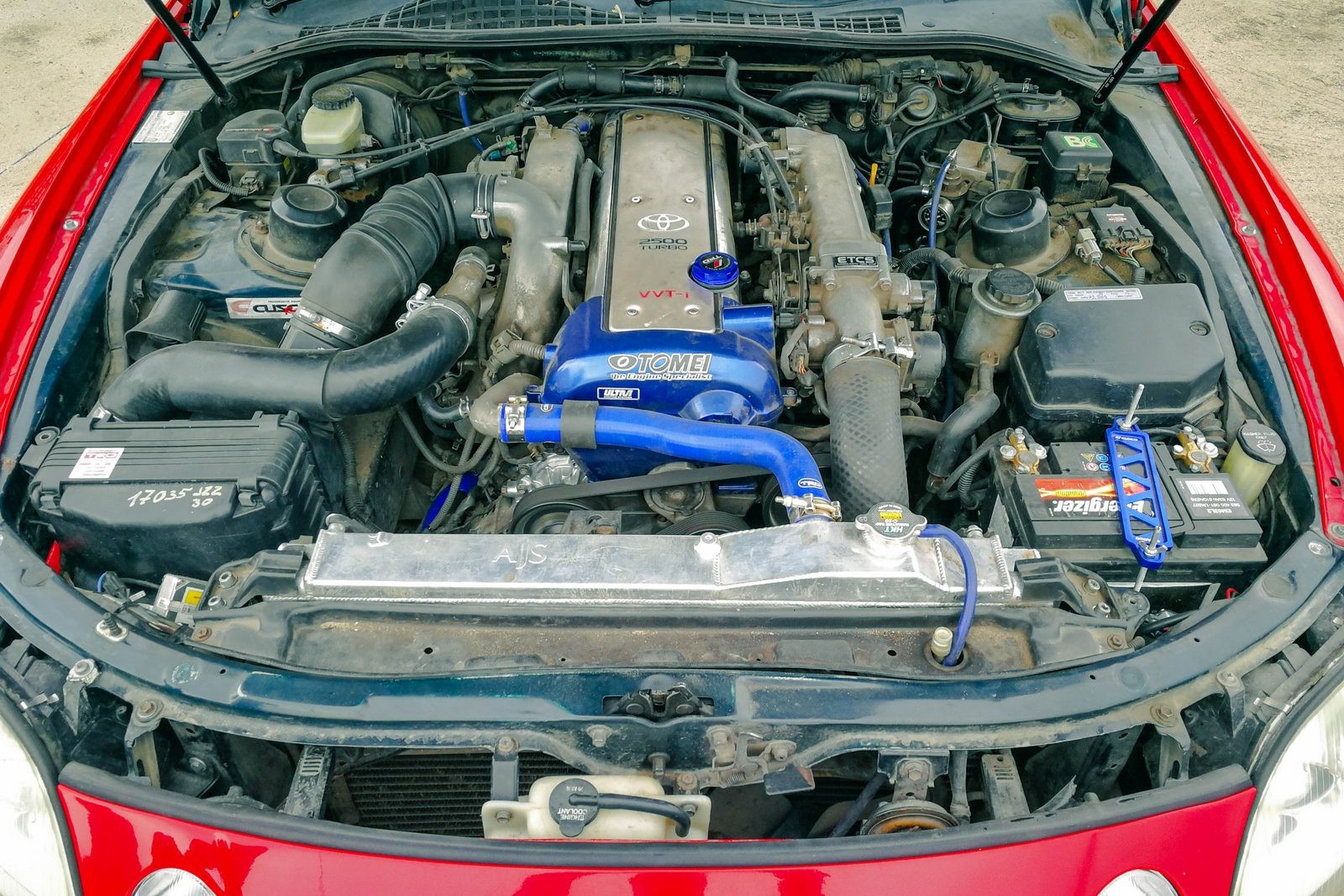
Плавный даже в спортрежиме четырехступенчатый автомат не в силах сдержать 379 Нм, доступные уже с 2 400 об/мин. Бормоча выхлопом (уровень шума – на законном уровне), купе лихо скрывается с места, традиционно заставляя окружающих думать, что на правом руле передвигается исключительно хулиганье. Секрет прыти во многом кроется в применении дисковой блокировки заднего дифференциала типа 2Way, сменившей пришедший в негодность родной открытый дифференциал. В повороты теперь можно заходить, используя лишь педаль газа.
Виляние хвостом на заднем приводе и смешанные эмоции на лице окружающих, пытающихся идентифицировать красное нечто — бесценны, но быстро становится понятно, что купе такие забавы не по нутру. Уметь и любить — это не одно и тоже. Весящему почти 1 700 кг Soarer не удаётся скрыть сущность комфортного персонального «дивана» для обеспеченного эгоиста. Потому я с подозрением смотрю на переключатель режимов электронно-регулируемой подвески TEMS.
| Расход в городском цикле, л | Расход по трассе, л | Расход в смешанном цикле, л |
|---|---|---|
| 20 | 9 | 15 |
Toyota Electronically Modulated Suspension – ещё одна фишка Soarer, недоступная на Lexus. Регулировка жесткости амортизаторов в режиме Norm наделяет купе отличной плавностью хода. Soarer с чисто японской невозмутимостью мастерски разделывается с любыми неровностями. Наличие кренов в поворотах зависит от точки зрения. Для gran turismo они минимальны, но если Soarer для вас – Supra в другом кузове, то… извините, почти центнер разницы в весе не компенсировать ничем. Бессилен даже спортрежим подвески. Крены до конца все равно не исчезли, а очарование всеядного пожирателя дорог ушло.
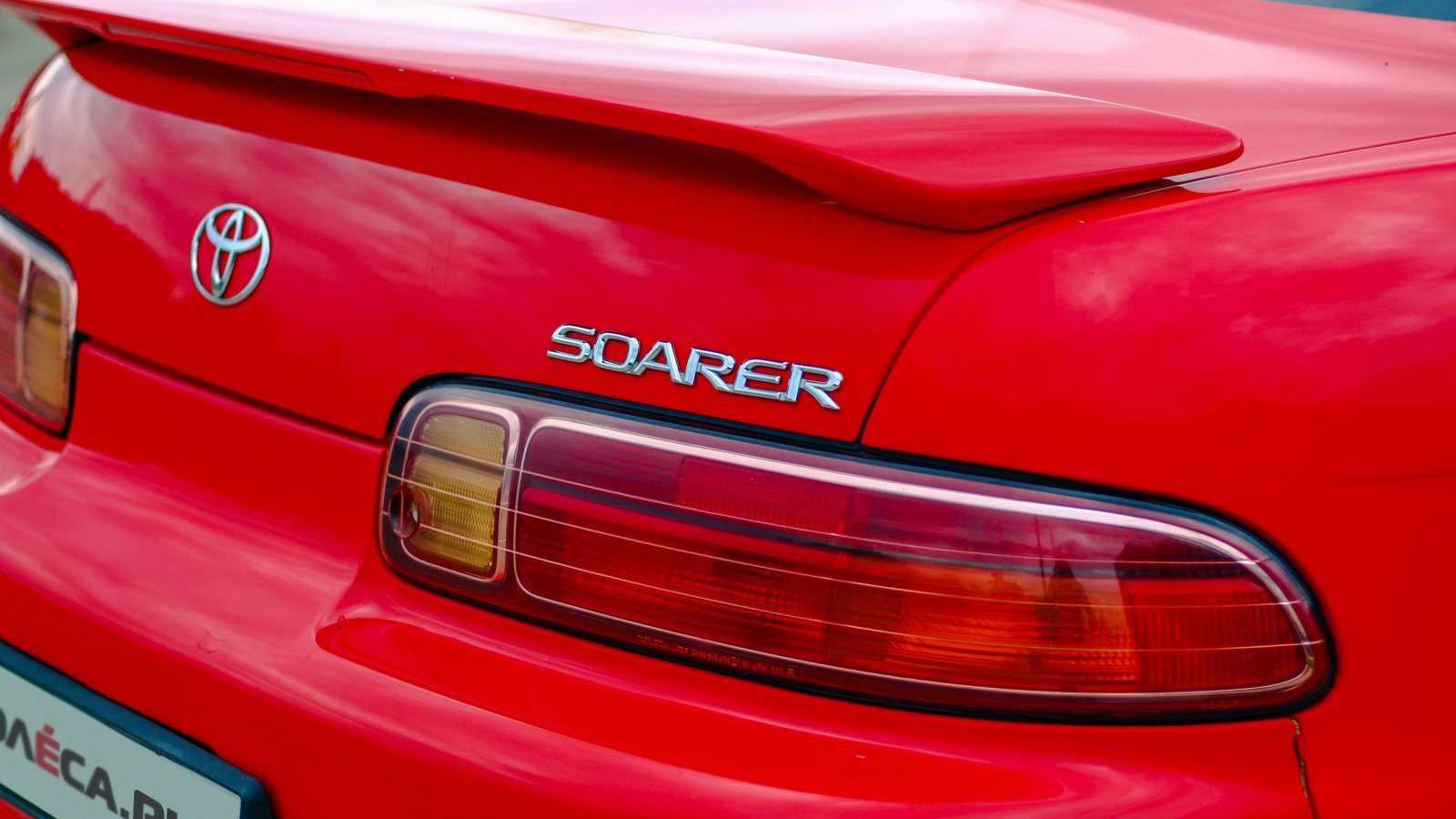
Ушел и Soarer, верой и правдой служивший Тойоте двадцать четыре года. Но дело его живет. Toyota, пусть и в обличии Lexus – единственная из японцев, считающая, что ей есть что сказать на тему gran turismo. Парящий лев сделал свое дело.
История покупки
Увиденная в детстве машинка, многим из нас западает в душу, становясь в зрелом возрасте предметом вожделения. Для Александра таким ярким воспоминанием стала Toyota Soarer, замеченная на Камчатском авторынке в конце девяностых. Широкий, низкий, громкий, броский — любовь с первого взгляда и как оказалось на всю жизнь.
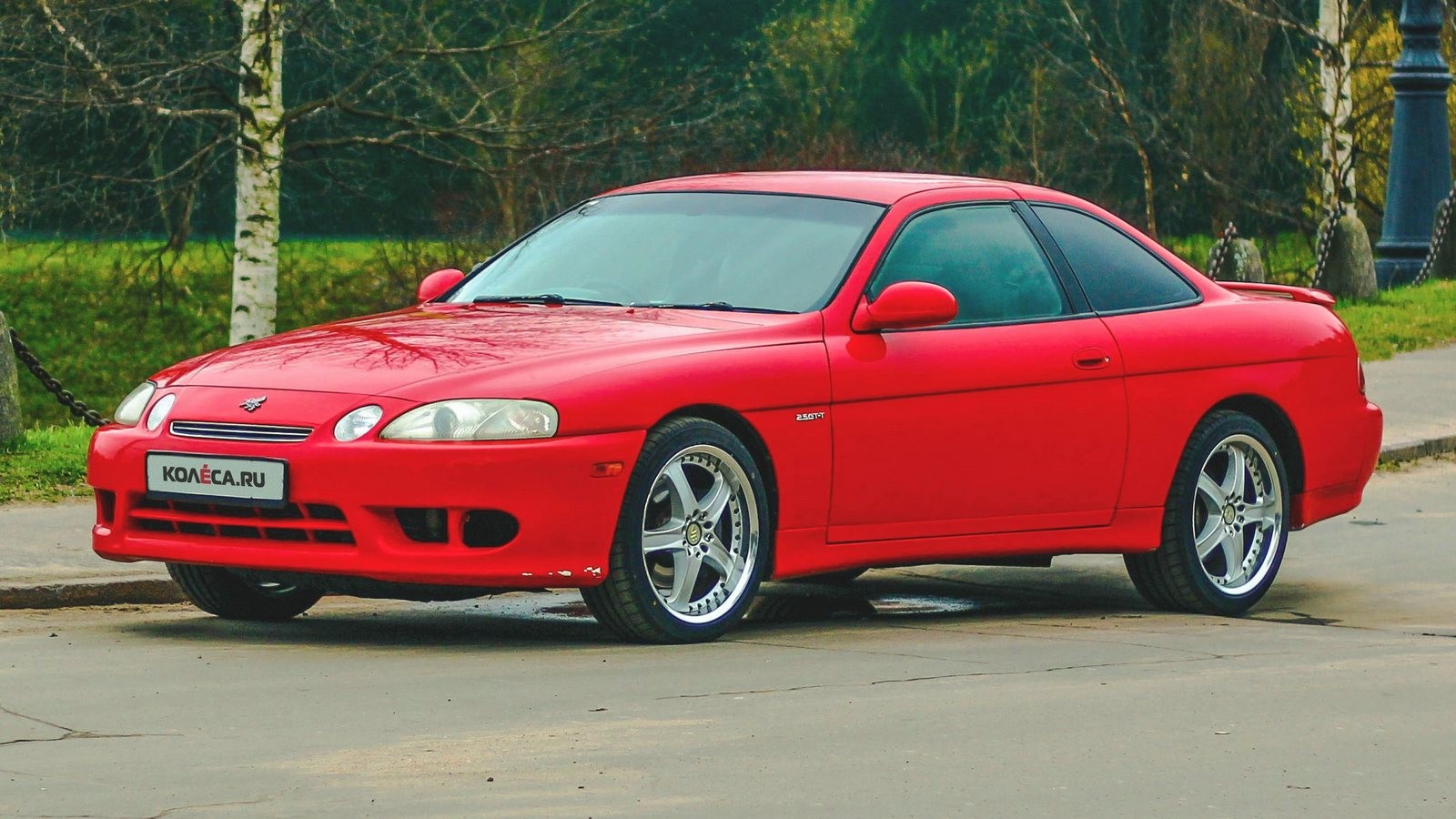
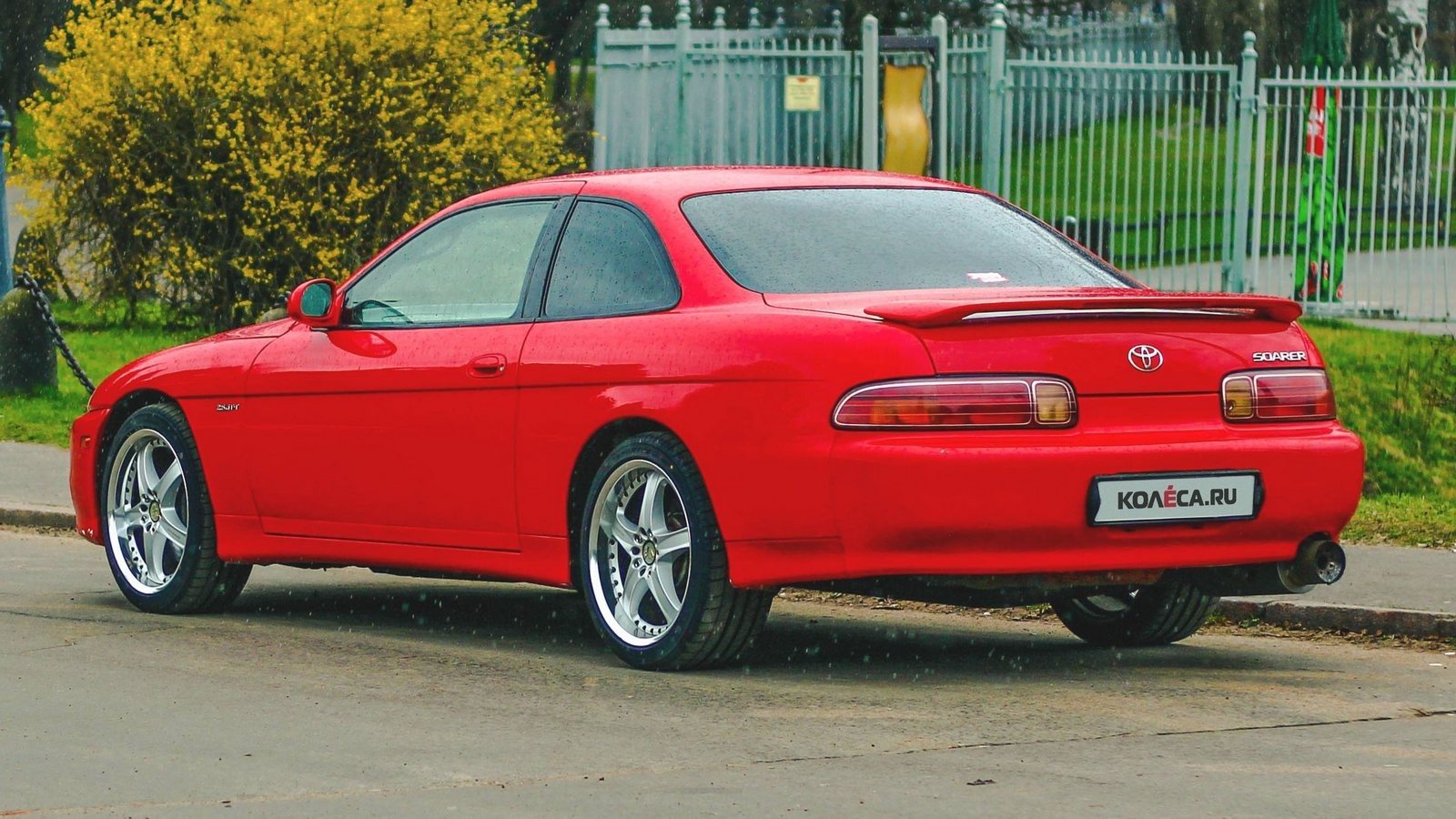
Годы спустя Александр начал охоту за мечтой. Очень быстро выяснилось, что многие купе, несмотря на тюнинговую мощь, больше похожи на живых мертвецов. Действительно стоящие экземпляры в максимально стоковом состоянии встречались редко и стоили недешево. С помощью клубных форумов Александр внимательно следил за каждым и копил деньги. Красный Soarer, продававшийся в Калининграде, он приметил в августе 2016 года. Из минусов — сломанная коробка. В ходе переговоров продавец согласился за свой счёт устранить этот недостаток.
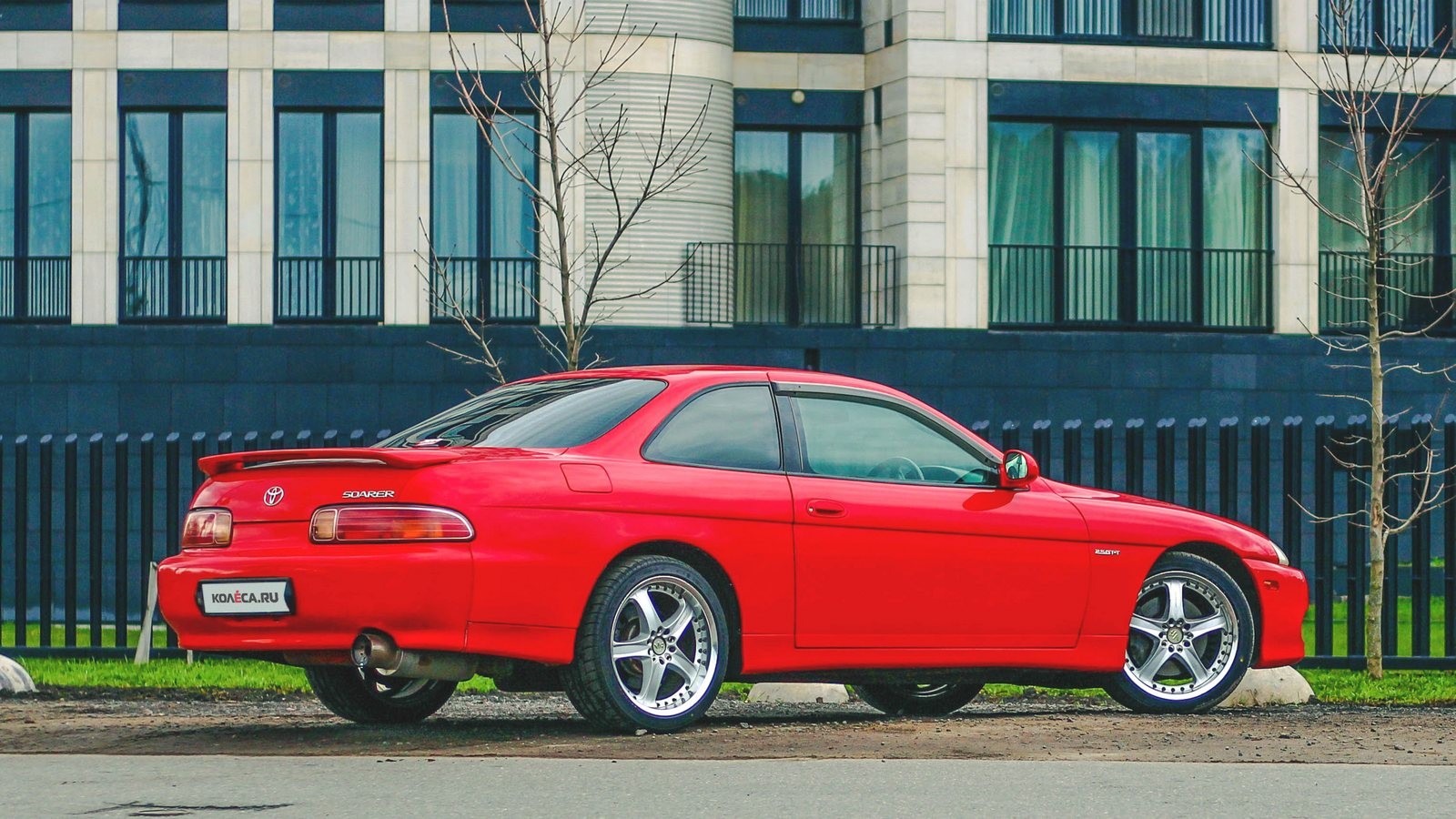
К моменту покупки Александр уже хорошо был осведомлён о биографии конкретного экземпляра. Soarer 1997 года выпуска попал в РФ в начале двухтысячных и до Калининграда успел побывать в Красноярске и на Алтае. Прибыв в Россию в практически стоковом состоянии купе быстро обрастало атрибутами настоящего пацанского авто: аэрография, ламбо двери, перекрас, громадная труба выпуска и обвесы непонятного происхождения. Но самурай, стоически отвергал доморощенный тюнинг. Обвесы приходили в негодность, ламбо двери надоедали — постепенно Soarer возвращался в заводское состояние. Как раз на этом этапе, с заводским вариантом подвески, стоковым мотором и пробегом в 240 000 км в 2016 году его приобрёл Александр.
Ремонт
Через пару месяцев после покупки из под капота повалил пар. Треснул радиатор, вся верхняя крышка которого была в мелких трещинах. Вариантов решения проблемы виделось три: переварить крышку, купить контрактный радиатор, либо заказать новый. Было решено остановится на последнем, для чего был заказан алюминиевый радиатор AJS. Для ремонта был арендован подъемник и привлечен хороший друг в помощь. Заодно заменили термостат, обновили масло в редукторе и топливный фильтр.
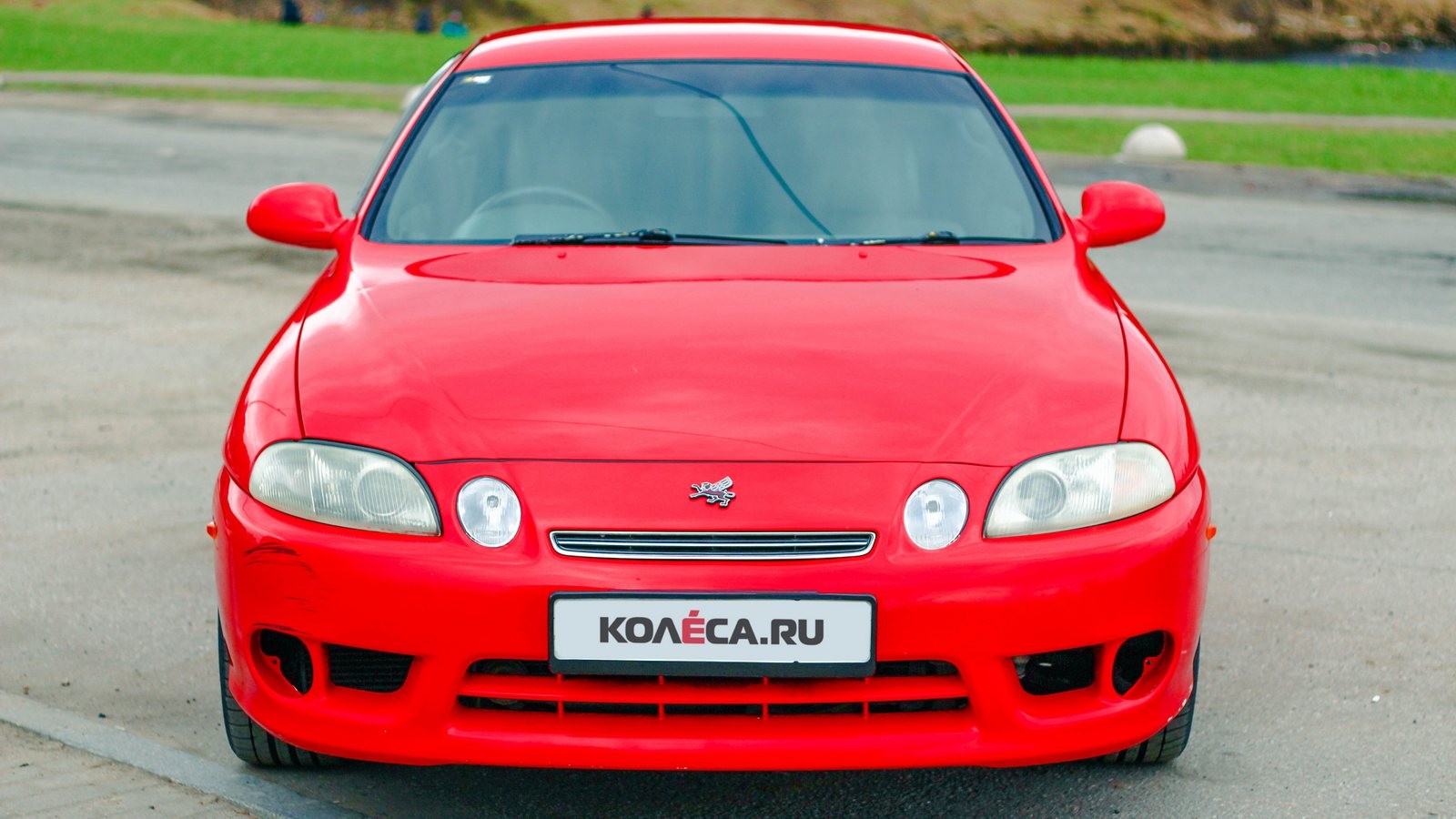
Со светом у Soarer была просто беда. Ближнего практически не было, так как в старые еле живые блоки был вставлен ксенон с неподходящим цоколем. В фарах из-за отсутствия заглушек и сорванных креплений была грязь, песок, болтались какие-то камни, а в одной из туманок развелось целое болото. Александр разбирал все самостоятельно. С противотуманками было просто, зато с фарами пришлось повозится, левая далась легко, а вот к болтам правой подлезть было трудновато из-за патрубка интеркулера. Для ремонта были куплены герметик, водонепроницаемые контакты, лампы, блоки розжига и все недостающие заглушки. Разбиралось и чистилось все дома. Чтобы аккуратно расклеить фары они были отправлены в духовку, предварительно завернутые в толстое старое полотенце для равномерного нагрева. Александр все отмыл, отчистил, смазал регулировочные болты, срезал старый герметик. После того как был заложен новый герметик фары снова отправились в духовку, а затем были аккуратно склеены.
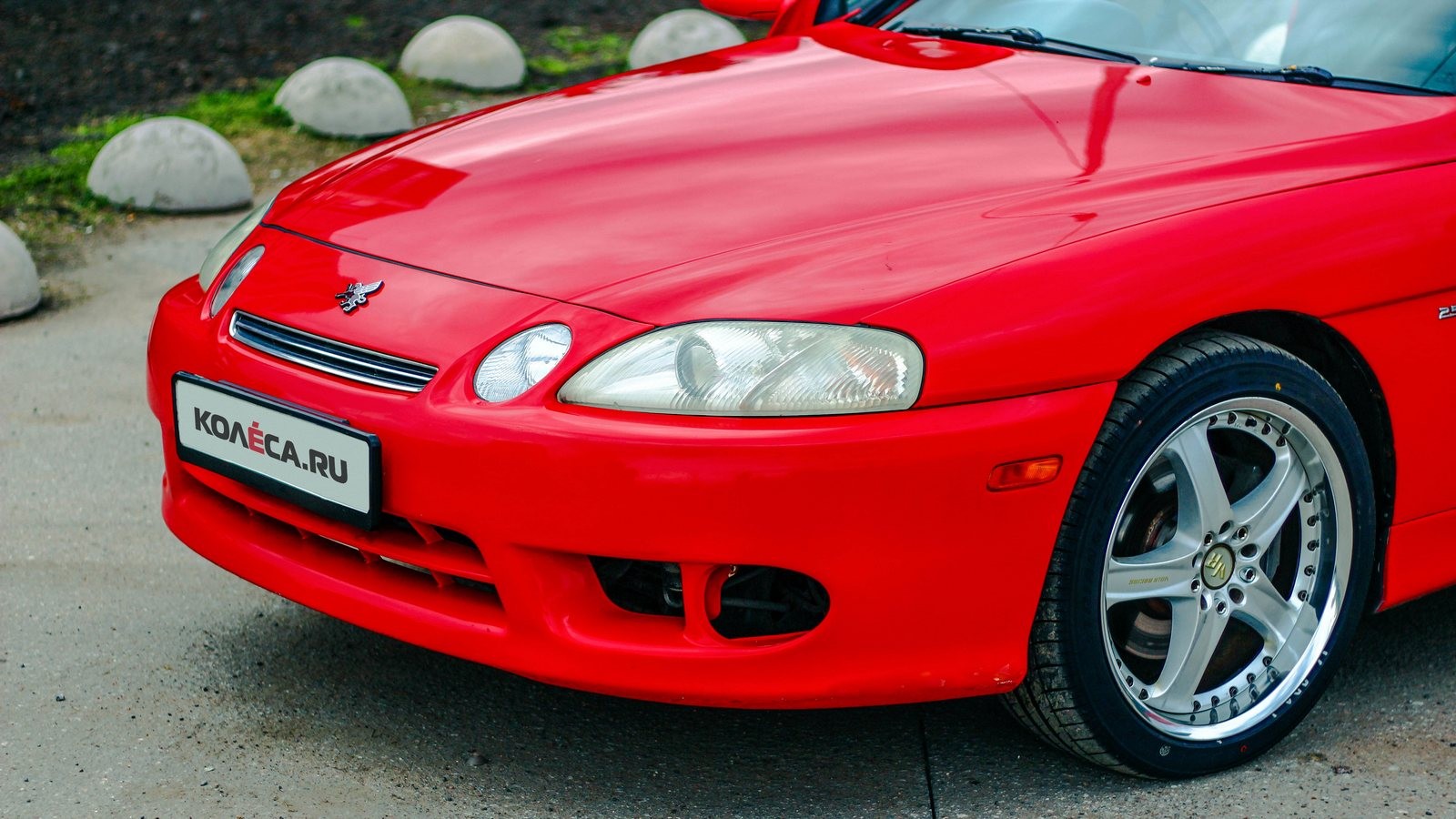
После Нового Года на приборной панели спустя десять минут после начала движения начала загораться ошибка трансмиссии, при этом Soarer стал стартовать только с третьей передачи. При разборе коробки оказалось, что дело в соленоиде включения второй передачи. После его замены, а также обновления масла и фильтра все пришло в норму.
Выхлоп купе был в печальном состоянии. Трасса повсюду была повреждена, замята, наблюдалось огромное количество заплаток как на трубе, так и на резонаторе. Некоторые фрагменты трассы были собраны из труб разного диаметра, причем трубы были вдеты одна в другую и заварены. Все это заканчивалось глушителем Apexi, естественно немалых размеров. Толчком к замене стала неаккуратность на парковке, из-за которой порвалась гофра глушителя. По заказу Александра была сварена и установлена целиком новая выхлопная система. Глушитель Apexi, единственное что было в хорошем состоянии, Александр решил пока оставить.
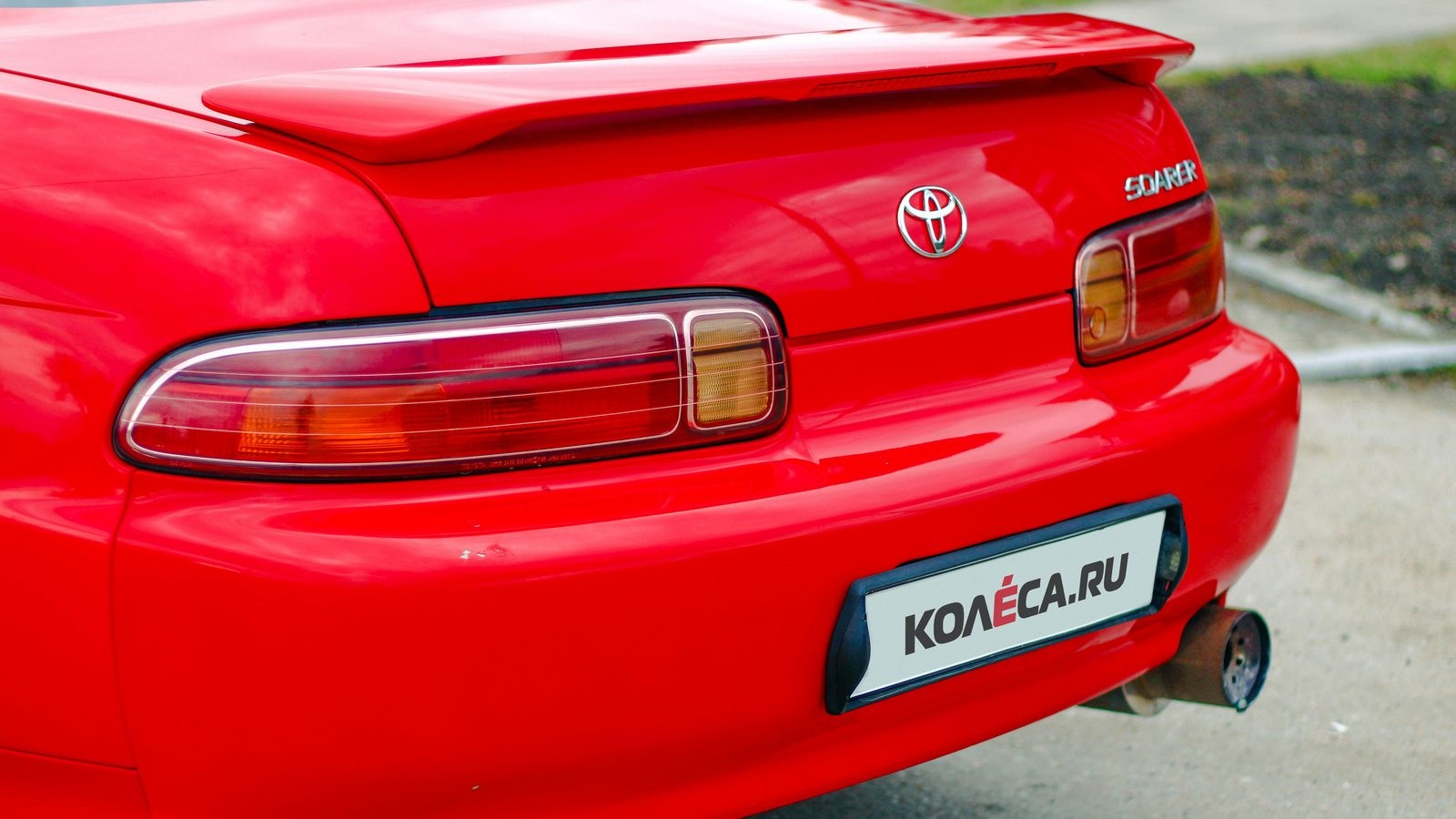
Soarer достался Александру редуктором с открытым дифференциалом, который уже находился в предсмертном состоянии. Старты со светофоров по мокрому асфальту были очень медленными, не хватало сцепления под тягой в поворотах. Как и многие владельцы подобной техники Александр решился на установку редуктора с дисковой блокировкой CUSCO типа 2WAY и главной парой 4.1. После установки в редуктор было залито масло Toyota Hypoid Gear Oil LSD 85W-90.
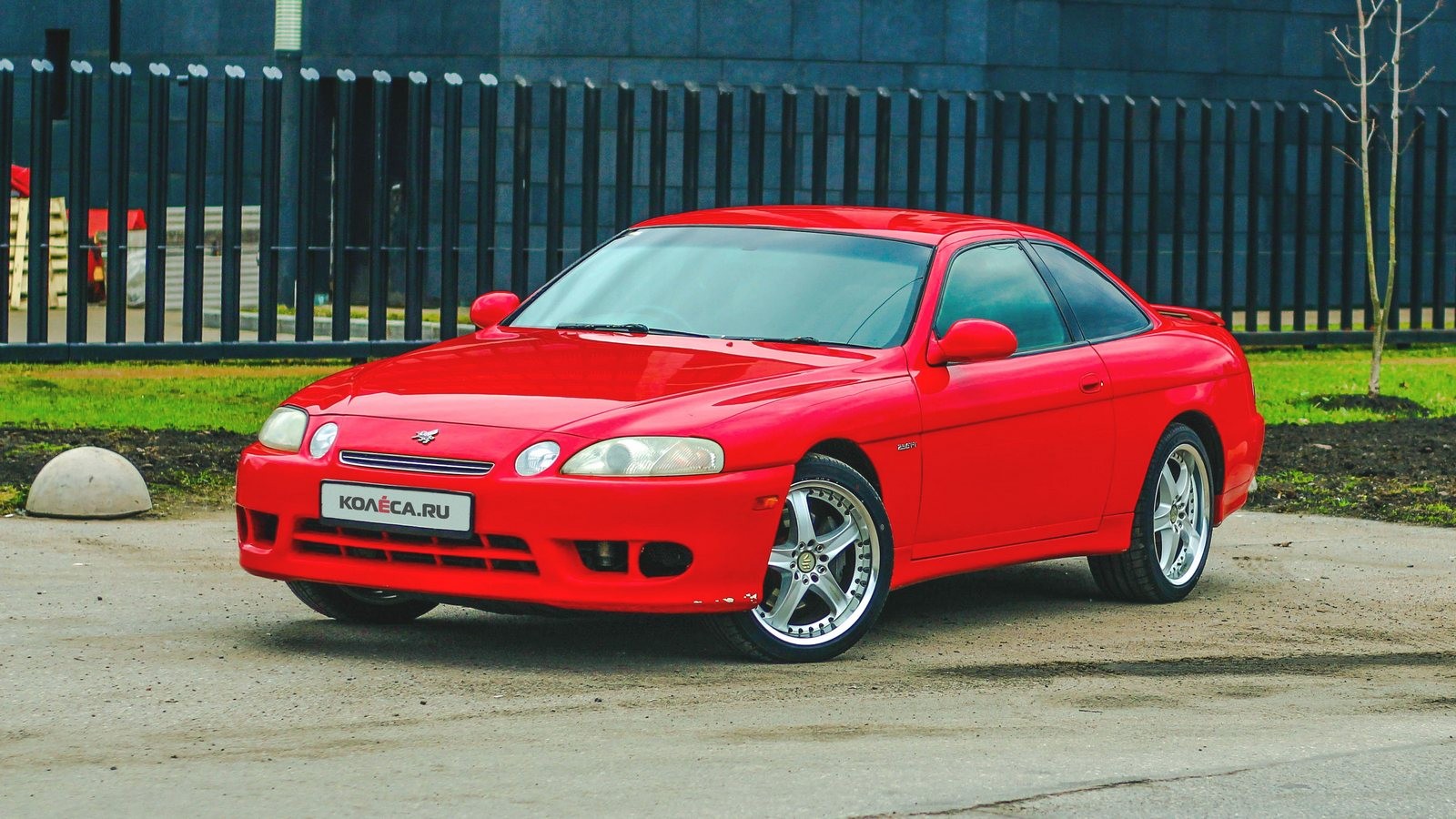
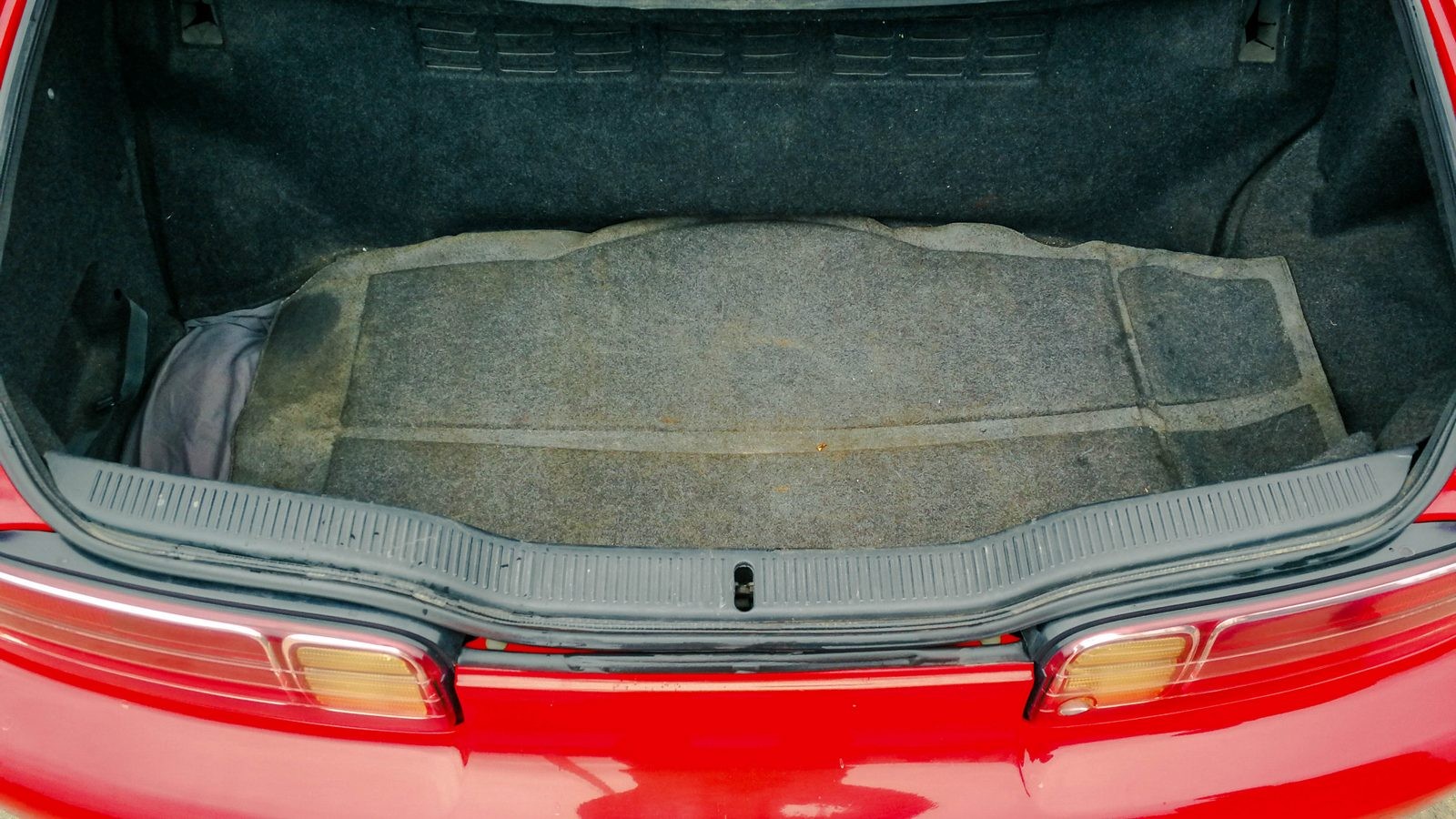
Весной настало время глобального обновления задней подвески. Были заменены все рычаги, подрамник, задний стабилизатор, сайлентблоки, развальные болты. Полной ревизии подверглись тормоза. Потекший дисплей бортового компьютера на приборной панели был вылечен заменой. Помогла деталь с разборки. Затем настал черед разобраться с падающей дверью багажника. Оказалось, что не держащие газовые упоры частая проблема у Soarer. Гнаться за оригиналом Александр не видел смысла, поэтому купил качественный заменитель.
Эксплуатация
Личный пробег Александра – 15 000 км. О встрече с мечтой он нисколько не пожалел. Авто постепенно переходит в разряд средства релаксации выходного дня. С запчастями проблем нет, распилов во Владивостоке хватает.
Расходы
- Регулярное ТО м заменой масла (Eneos 5w50) и масляного фильтра — каждые 5000 км
- Расход топлива в городском цикле — 20л/100 км
- Расход топлива в по трассе — 9л/100 км
- Расход топлива в смешанном цикле — 15л/100 км
- Топливо — АИ-98
- Планы
Александр планирует доводить купе до состояния близкого к идеальному. В ближайшее время он думает заняться салоном. Многие крепления сломаны или безвозвратно утеряны, отчего разболтана часть панелей. Снова требует замены один из дисплеев приборки.
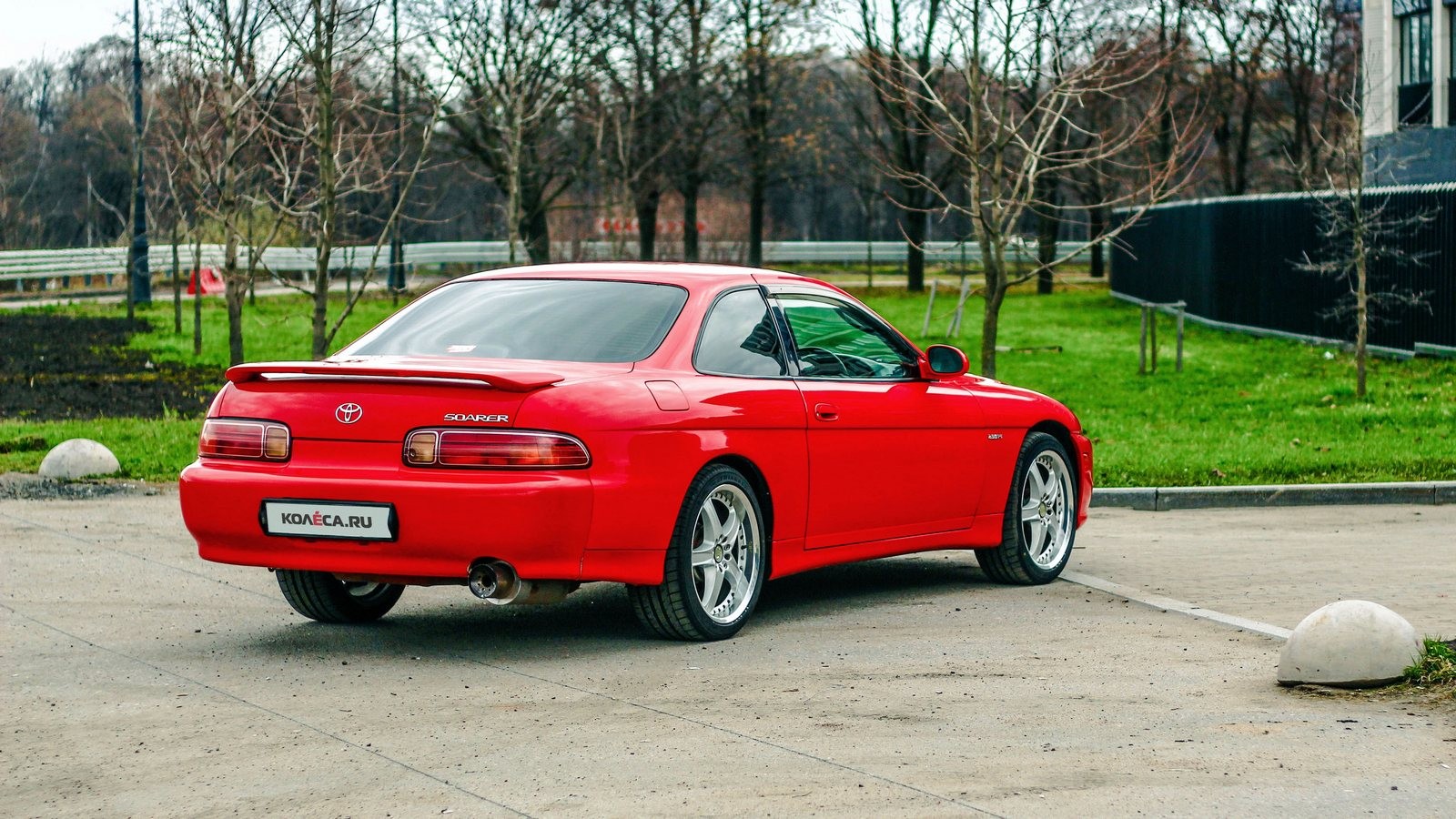
История модели
Третье поколение флагманского купе Toyota (кузов Z30) явилось миру в 1991 году. В том же году дебютировал и заокеанский собрат Lexus SC. Обе модели были технически были ближайшими родственниками четвертого поколения Supra. Soarer мог комплектоваться турбированными 1JZ-GTE (2.5 литра 280 л.с.) и атмосферными 2JZ-GE (3 литра 224-230 л.с.) рядными шестерками плюс V8 1UZ-FE (4 литра 260-265 л.с.). Все варианты могли оснащаться четырёхскоростным автоматом, но пятиступенчатая механика R154 была доступна только для турбированных версий. Будучи самой продвинутой Тойотой, Soarer регулярно обновлялся. В 1997 году турбоверсии получили одну турбину вместо двух, а также систему изменения фаз газораспределения VVT-i. В 2000 году третий Soarer покинул конвейер, уступив место первому в истории Toyota купе-кабриолету.
Soaring High: The Lexus SC and Toyota Soarer Coupes

The arrival of the Lexus LS400 in 1990 was evidence that the Japanese could build a serious luxury sedan, but stylish coupes were another matter entirely. In 1991, Toyota tried to challenge all preconceptions with a sleek new 2+2 coupe intended to face BMW, Jaguar, and Mercedes on their own terms. It didn’t quite succeed, but it was a unique and memorable design with an unusual story behind it. This is the history of the 1992-2000 Lexus SC and Toyota Soarer.
COUPE DE GRACE
Even as its flagship LS400 sedan went on sale in 1989, Toyota was already considering the next steps for the Lexus brand. Plans included a new entry-level sedan to replace the underwhelming ES250 and a new midsize sedan, the GS, to slot between the existing ES and LS models. The most interesting development, however, was the conception of a Lexus coupe.
Big premium coupes and convertibles like the Mercedes-Benz SEC and SL, Jaguar XJS, and BMW 6-Series occupied a small but lucrative market. They sold in modest numbers, but well-heeled buyers were willing to pay a sizeable premium for their distinctive styling, making such cars very profitable. They also served as style leaders for their brands, adding luster to the rest of the line.
Several other automakers had recently tried to break in to the high-end two-door segment with mixed results. Cadillac’s Pininfarina-styled Allanté roadster and Buick’s two-seat Reatta had failed to lure buyers away from the established European leaders despite significantly lower prices. The Cadillac Eldorado and Lincoln Continental Mark VII lacked the cachet or sophistication to appeal to BMW or Mercedes buyers, while Honda’s Legend coupe was more of a two-door sedan than a posh sports coupe. Still, the coupe market remained a tempting target.
Nissan, which launched its Infiniti brand in 1989, had clearly thought the same thing. Shortly after the debut of the Q45 sedan, Nissan introduced an Infiniti coupe, the M30. An Americanized version of the Japanese-market Nissan Leopard, the M30 was upright and fairly sedanish, combining bland styling and unexceptional performance. Unsurprisingly, it made no particular impression on coupe buyers and Infiniti dropped it in short order.

An early second-generation (1986-1991) GZ20 Toyota Soarer. The Soarer, first introduced in 1981, was a plush notchback personal luxury car sharing the chassis and engines of the Toyota Celica XX (Supra) sports coupe and competing with the Nissan Leopard and other luxury coupes. Most second-generation (Z20) Soarers had one of an assortment of 1,988 cc (122 cu. in.) straight-six engines; this one has the DOHC 24-valve twin turbo 1G-GTEU with 185 PS JIS (136 kW). (Photo: “Toyota Soarer 20 001” © 2007 天然ガス (Tennen-Gas); resized 2009, 2010 by Aaron Severson and used under a Creative CommonsAttribution-ShareAlike 3.0 Unported license)
Toyota had several options for developing a Lexus coupe: First, they could do as Mercedes had with its S-Class coupes and simply create a two-door coupe or hardtop version of the LS400 sedan, although the LS400 was so stylistically conservative that the results would likely have been disappointingly bland. A second alternative was to create a Lexus version of the Toyota Soarer, a home-market rival of the Leopard, but the existing Z20 Soarer was then nearing the end of its design cycle; it had bowed in early 1986 and its basic themes dated back to the first-generation Soarer, launched in 1981. The third and most promising option was the most challenging: creating something wholly new and better suited to American tastes.
CALTY-FORNIA DREAMING
Understanding the preferences of the U.S. market had always been a challenge for the Japanese automakers, whose designers and engineers often had very different values than did their American customers. In the sixties and early seventies, Nissan had benefited (whether they appreciated it or not) from the insights of Yutaka Katayama, head of NMC USA, whose tastes were more in line with those of the American market. Toyota, for its part, decided to seek American help and in 1964 had hired Strother MacMinn, a teacher at the Art Center of Pasadena, California, to train the company’s Japanese designers.
From the beginning, MacMinn had warned Toyota management that it was going to be very difficult for the company’s designers to truly grasp American priorities without actually experiencing day-to-day life in the U.S. In 1973, the company took that advice to heart and established a new U.S. subsidiary called Calty (from “California Toyota”) Design Research Inc., originally based in a warehouse in El Segundo, California, just south of the Los Angeles International Airport. The first production design to emerge from Calty was the second-generation (A40) Toyota Celica, which proved very successful in the U.S. market.
In 1978, shortly after the A40 Celica went on sale, Toyota relocated Calty to a new studio in Newport Beach in Orange County, California. The design subsidiary hired a new chief stylist, Ford veteran David Hackett, and began recruiting young designers like Dennis Campbell, hired in 1980, and Erwin Lui, hired shortly after graduating from the Art Center in 1982.
When development of the Lexus coupe began, Toyota gave the project to Calty. It was a natural choice because affluent Orange County was prime territory for luxury cars; Calty’s studio in Newport Beach was only a few miles south of the Newport Beach house Toyota’s market researchers had rented during the development of the Lexus brand. Moreover, the designers in California would have no temptation to rehash the themes of the previous Soarer, which might have been an issue if the coupe had been designed in Nagoya; while the Z20 Soarer was deemed too sedanish for U.S. buyers, it had been a popular and prestigious car in Japan. (The Calty design would be shared by both the Lexus coupe and a new third-generation (Z30) Soarer.)
Since Calty’s staff was relatively small, generally quite young, and located thousands of miles from the more conservative environs of Detroit or Toyota headquarters, the California studio had always demonstrated a certain flair for the avant garde. With that in mind, it’s perhaps slightly less surprising that Campbell and Lui, whom Hackett assigned to the coupe project, created their initial design studies using plaster-filled balloons rather than pencil and paper, yielding a curvaceous, organic shape that decisively rejected both the angularity of the outgoing Soarer or the sedan-like shape of the W124 Mercedes SEC. Even after the basic shape was established, much of the design work was done with clay models rather than flat renderings.

A full-size model of the original Lexus SC/Z30 Soarer design by Erwin Lui and Dennis Campbell. (Photo: “Lexus SC/ Toyota Soarer Concept Z30” © 2011 Moto “Club4AG” Miwa; used under a Creative Commons Attribution 2.0 Generic license)
Toshihiro Okada, head of Toyota product planning back in Japan (and the project leader for the two previous Soarers), was not thrilled with either the unorthodox approach or its early results, but he gave Campbell and Lui permission to develop the design into a full-size clay model. To their relief, when they presented the clay to him six months later, he was very pleased with it, as was chief project engineer Seihachi Takahashi, who would become an important ally.
THE ART OF NO COMPROMISE
The problem with allowing designers to indulge themselves or pursue unusual directions is that at some point, their work must be translated into a producible car. Usually, automotive stylists are expected to work within the bounds of a specific ‘package’ of fixed dimensions and engineering parameters; in many cases, the designers don’t even begin until after the package has been established and validated. That approach ties designers’ hands, but it also helps to ensure that the results of their work will fit the intended platform and allow room for sundries like engines, fuel tanks, and passengers.

The Lexus SC’s curvaceous shape posed significant production challenges for Toyota, although we think the results were well worth the effort. The inboard lights are the high beams, which were separated from the main beams for space reasons. Despite its sleek looks, the SC’s coefficient of drag was not quite as good as that of the LS400 sedan: 0.32 (or 0.31 with the optional rear spoiler) for the coupe, compared to 0.30 or 0.29 for the sedan.
Although Campbell and Lui had pushed their original design concept as far as possible, they fully expected that they would have to make compromises further down the road. That’s an inevitable part of the process, but it can have painful results; the history of automotive design is littered with examples of attractive concepts that were weakened, if not ruined, in the translation to production reality.
In this case, something very unusual happened: Takahashi was so passionate about the original design that he became determined to build it with as few changes or compromises as possible, even where the original design was significantly off-package. It would be no easy task; the coupe’s complex curves were extremely difficult to render in steel and some of the planned components — like the LS400’s 1UZ-FE V8 engine — simply didn’t fit. The narrow, grilleless nose didn’t provide enough radiator exposure and didn’t leave enough room for even compact projector-beam headlights.
Lui, who flew to Japan to assist in the ‘productionizing’ process, did have to make some changes, but in many cases, Takahashi opted to rearrange or even redesign the hardware to fit the available space rather than alter the design. For example, the engineers moved the headlight high beams inboard of the main beams, giving the nose its distinctive ‘nostrils.’

The Z30 Lexus SC shares its basic double wishbone suspension layout with the later A80 Toyota Supra, although the actual geometry and tuning were significantly different for each application. Note the very long front doors; they have unique dual-pivot hinges to enable rear passengers to get in and out in confined spaces. This feature was introduced on the previous Z20 Soarer, not sold in the U.S.
The finished design was not identical to the original clay, but considering how far the original design had pushed the envelope of production feasibility, the final product remained surprisingly close to the original and in some respects even improved on it. It was a remarkable achievement.
THE SPORTING LEXUS SC
With some notable exceptions, big coupes tend to look sportier than they drive, aimed as they are at well-heeled and often older customers. However, the earlier Z10 and Z20 Soarers had used substantially the same chassis and engines as the contemporary Toyota Supra and thus were fairly athletic, more akin to the BMW E24 6-Series than big American personal luxury coupes. The new coupe would continue in that tradition, being as much GT as luxury car; Toyota even hired race car driver Danny Sullivan to help the engineers fine-tune the suspension.
Although the coupe had some mechanical commonality with the LS400/Celsior platform, the two cars did not share the same platform, at least by Toyota’s reckoning; they had separate chassis codes. (A shorter version of the coupe platform would be used for the next-generation Toyota Supra, although that too had its own chassis code.) Because of the coupe’s challenging shape, even the shared components often differed significantly. For example, the coupe version of the 1UZ-FE engine had a different air cleaner assembly to fit the tighter engine bay and adopted an unusual variable-speed hydraulic cooling fan. The coupe would also be available with the new JZ-series inline six and a manual transmission, neither of which was offered at all on the sedan.
Japanese Soarers had always made a big selling point of high technology, so the Z30 Soarer would be available with (inter alia) adjustable shock absorbers, air suspension, a complex active suspension, and four-wheel steering. The Lexus version was less complex, presumably in an effort to keep the price down, offering only steel springs and conventional dampers. However, ABS was standard equipment, as were big vented disc brakes.
The U.S. version of the coupe, which debuted in May 1991 as the Lexus SC400, was initially available only with the V8, which had 250 hp SAE (186 kW) and an electronically controlled four-speed automatic. The Z30 Soarer, introduced in Japan at about the same time, was available with the V8, but also offered a six, the 2,491 cc (153 cu. in.) twin-turbo 1JZ-GTE, which could be had with a five-speed manual transmission as well as automatic. The turbocharged engine would never be offered in the U.S., but in August 1991, Lexus added a cheaper six-cylinder SC300, which had a bigger, normally aspirated 2,997 cc (182 cu. in.) 2JZ-GE engine with 225 hp SAE (168 kW) and a standard five-speed gearbox. (An equivalent Soarer, the 3.0GT, was belatedly added in 1994, although it was available only with automatic.)
Even the normally aspirated six had nearly as much power as the outgoing Soarer’s turbocharged six (shared with the U.S.-market Supra Turbo), which was useful because the new coupe was no lightweight. Even the SC300 weighed more than 3,400 lb (1,550 kg) and a loaded SC400 was close to 3,700 lb (1,675 kg). (The JDM 4.0GT-Limited with active suspension was heavier still.) However, the SC was at least 200 lb (90 kg) lighter than an LS400 sedan and had shorter gearing for better acceleration.

Other than badging, the only obvious difference between the Lexus SC300 and SC400 is that the SC300 has standard 15-inch wheels rather than the SC400’s 16s. Six-cylinder cars are somewhat lighter than V8s. Until 1997, they could be ordered with a five-speed manual transmission; the manual was rarely ordered (although manual-shift cars are prized today) and was canceled toward the end of the model run.
While their suspensions were tuned for a sporting feel, neither the Lexus SC nor its Toyota counterpart lacked for luxury features. The Lexus coupe offered much the same equipment as the LS400 sedan, including its distinctive electroluminescent instruments. Soarers were even more lavishly equipped, with standard digital instrumentation and options still largely unknown in the U.S., such as GPS navigation, an in-dash television receiver, and a backup camera.
SPEEDING BULLETS
American press reaction to the Lexus SC400 was resoundingly positive. Most critics liked the sleek styling and were impressed with the coupe’s performance: 0-60 mph (0-97 km/h) in 7 seconds or less and a redline-limited top speed of 145 mph (233 kph). That was on a par with the Mercedes 560SEC and BMW’s outgoing M6/M635 CSi and more than a second quicker than an Lexus LS400 sedan. The six-cylinder SC300 was predictably less impressive with automatic, but with the five-speed could perform nearly as well as the V8 cars and helped to cement the SC’s position as a luxury GT rather than a plush cruiser.
The SC’s handling sent a similar message. The LS400 was hardly a barge, but it had sacrificed ultimate cornering precision for plush ride quality. The coupe took the opposite approach; it had almost Germanic body control at the expense of a ride that was perhaps a little too stiff for the average Lexus customer. The SC was too big and heavy to be a nimble slalom-carver like a Volkswagen GTI, but it had impressive grip and superb balance. Surprisingly, both Car and Driver and Road & Track found the SC400’s brakes somewhat over-matched by its weight; the SC300 stopped better despite smaller discs.
Whatever they thought about the ride, Lexus customers had no reason to complain about the price. When the Lexus SC400 went on sale, its starting price was $37,500, actually cheaper than a 1992 LS400. The 1993 SC300 started at only $31,100, which was a veritable bargain in this rarefied class. Despite the stiffer ride, the coupes were just as solid and well-assembled as the sedan, which made them among the highest-quality automobiles in the world.

The Lexus SC was 191.1 inches (4,855 mm) long on a 105.9-inch (2,690mm) wheelbase, 6.4 inches (163 mm) shorter than the sedan on which it was based. SC400s, like this one, originally had 250 hp SAE (187 kW), climbing to 260 hp (194 kW) for 1996. For 1998, American SC400s received the new VVT-i engine from the LS400, still displacing 3,968 cc (244 cu. in.), but now making 290 hp SAE (216 kW) and fitted with a five-speed automatic. This powertrain was not offered on the Z30 Soarer, where the V8 was discontinued around the time the new engine bowed on export cars.
BURSTING THE BALLOON
The Lexus SC sold well at first, although it was not a runaway hit. First-year U.S. sales amounted to 12,695 SC400s and almost 8,000 SC300s, which was not bad by coupe standards, but well short of the new Cadillac Eldorado, which was comparably priced but less polished and considerably less powerful. Worse, sales of the Lexus coupe sank almost every year. Combined production fell to a little over 16,000 in 1993 and just under 12,000 in 1994, dropping to around 5,000 units a year by 1996. A modest but unappealing facelift in 1997 didn’t help, nor did the addition of a more powerful V8 engine and five-speed automatic in 1998. In 2000, its final year, the SC sold only 631 units in the U.S.
Why didn’t the Lexus SC sell better? Rapid price escalation probably played a role. Like the LS400, the highly competitive initial price swelled rapidly, driven in large part by the strength of the yen relative to the dollar. By 1996, the SC300’s price had climbed to more $44,000 while the SC400 started at more than $52,000. That represented 40% increase from their debut, tough to swallow for basically unchanged cars. We suspect that Lexus SC’s sleek lines also left it in a difficult position in the marketplace. The SC400 was much racier than a big Benz or Jaguar coupe, perhaps a little too racy for conservative shoppers, but it was a little too big and too luxurious for sports car fans and the Lexus brand didn’t have the sporting cachet of Porsche or even Corvette.
The JDM Toyota Soarer faced similar issues. The previous Soarers had been quite popular in the home market, but the Z30 represented a significant escalation in price, particularly in V8 form, and the previously booming Japanese economy was no longer so robust by the mid-nineties. Price was the likely downfall of the air suspension and active suspension variants, which were thoroughly impressive, but hideously expensive; a 4.0GT Limited with active suspension and 4WS cost twice as much as 2.5GT Twin Turbo and considerably more than a top-of-the-line Toyota Celsior, the JDM version of the LS400. Slow sales led to the demise of those models and the standard 4.0GT in August 1997, leaving the cheaper 3.0GT and 2.5GT Turbo. In partial compensation, the latter had been updated a year earlier with a single turbocharger and variable valve timing, yielding the same (probably underrated) 280 PS JIS (206 kW) as before, but significantly more torque. Sales remained poor.
Both the U.S. and Japanese markets were facing a similar issue: The market for all coupes was shrinking dramatically as buyers became infatuated with trucks and sport utility vehicles. High-end Japanese sports cars were dropping like flies — annual sales of the Z30’s Toyota Supra platform-mate dipped below 10,000 units in 1995 and never recovered — and big luxury coupes were doing little better, leading to the demise (at least temporarily) of venerable nameplates like the Ford Thunderbird.
THE SECOND GENERATION
The first-generation Lexus SC and Z30 Soarer expired in July 2000, replaced that fall by a new Z40 model. Unlike its predecessor, the Z40 model was the work of Toyota’s Brussels design center rather than Calty and the new was no longer a two-door coupe, but rather the first Lexus retractable hardtop. Dubbed Lexus SC430 in the U.S., it was smoothly styled but awkwardly proportioned and far less sleek than its bullet-like predecessor.

The Lexus SC430 was initially badged as a Toyota Soarer in Japan, but in late 2005, it became a Lexus in the home market as well, one of the first Japanese-market Lexus models. All versions were offered only with a V8 engine and five-speed automatic, shared with the contemporary Lexus LS430 sedan. The SC430 was slightly quicker than the previous SC400, but far less athletic, aiming for the same “relaxed sportiness” as its ill-starred contemporary, Ford’s nouveau Thunderbird two-seater.
Like its predecessor, the SC430 sold relatively well at first — about 14,000 units per year in both 2001 and 2002 — and then dropped off quickly. By 2008, U.S. sales had fallen to fewer 2,000 per year. It expired in July 2010 without a direct replacement.
Although the Calty studio was not involved in the design of the SC430, the California studio has not been idle. Wayne Lui, the original Lexus SC’s lead designer, went on to develop the edgy 2000–2006 Toyota Celica as well as the familiar space shuttle shape of the second-generation Toyota Prius.
SUMMING UP
The Lexus SC had far less impact than the LS400 and failed to set the standard for its class the way Mercedes’ SL roadsters have defined theirs. Still, the first-generation Lexus coupe is on our short list of Japanese cars likely to become future classics. We must admit to being biased, for we consider the original SC400 to be the best-looking car the Japanese industry has yet produced and one of the finest automotive designs of the past two decades. Unlike a great many modern cars, it’s neither derivative nor self-conscious — it just looks good.
Both the first-generation Lexus SC and Z30 Toyota Soarer have already developed a certain cult following. They were very solidly built and they’re quite reliable considering their complexity. The electroluminescent instruments can be problematic and the V8 requires a new timing belt and water pump every 90,000 miles (145,000 km), but all of the available engines are nearly bulletproof. The Lexus SC/Soarer is far less troublesome than a contemporary BMW 8-Series or Jaguar XJ-S, which can easily become money pits. Furthermore, six-cylinder SC300s and 3.0GT Soarers can use nearly all of the performance parts available for the Supra, offering the foundation for a formidable luxury hot rod.
Over the years, Toyota has produced a number of unusual or out-there designs, not always to good effect, but none has been as radical as the Z30 SC/Soarer and, to our eyes, none has turned out nearly so well. More than 15 years after its birth, it’s still in a class of one.
AUTHOR’S NOTE
Since writing this article, we also did a more detailed piece on the Japanese-market Toyota Soarer.
In 2013, Olathe Toyota in Kansas hired the author to do a four-part history of the related Toyota Supra for their Toyota History blog series. You can read that story at the following links:
(Olathe Toyota had no connection with this article or the later Soarer piece; the Supra story was an outside project.)
Замена Toyota Soarer и Lexus SC430
Сразу говорю новость не свежая увидел на drom.ru.
Новость такая:
Lexus готовит к выпуску новейшее купе на замену Toyota Soarer и Lexus SC430.
Для тех кто не знает что это за авто.
Soarer в 30-31 кузове и лексус SC400 
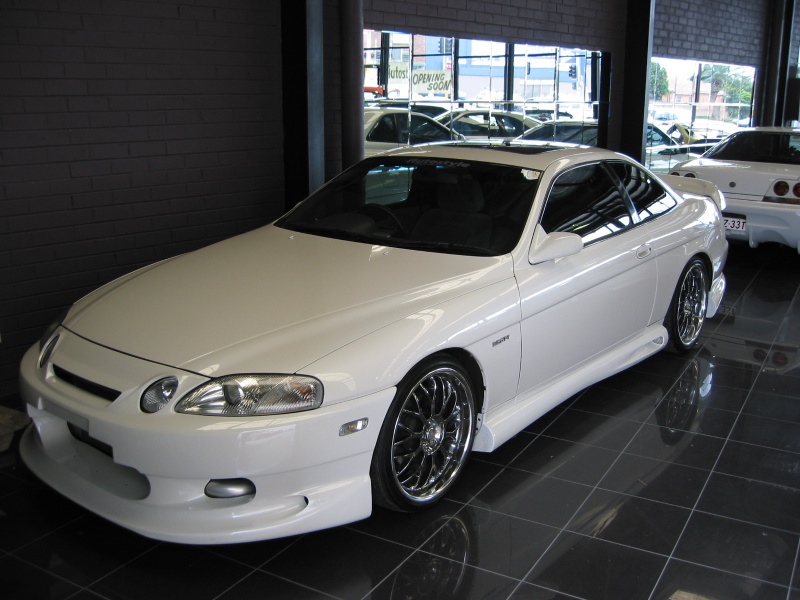
Toyota Soarer 40 серии и Lexus SC430. 

Журнал Motor Trend распространил информацию о том, что бренд Lexus готовит к выпуску спортивное гибридное купе, которое должно заменить собой Lexus SC430 (Toyota Soarer). Производство последнего было прекращено два года назад. 

Новый проект Lexus — купе LC 600h — получит полноприводную трансмиссию и обновленную версию пятилитрового гибридного мотора от седана представительского класса Lexus LS600hL. Разгон до сотни отнимет у купе менее пяти секунд.
Однако ждать машины придется долго. Lexus предполагает, что хорошее время для коммерческого запуска проекта наступит после 2015 года. А пока, увы, не климат.
Увидел я эту новость и задумался какой нахер 2015 год, почему не сейчас, многие любители этого авто наверно меня поймут.
Мне он оч понравился, хотелось бы быть его видеть сейчас, а не в 2015 году, и то не факт что он появится!